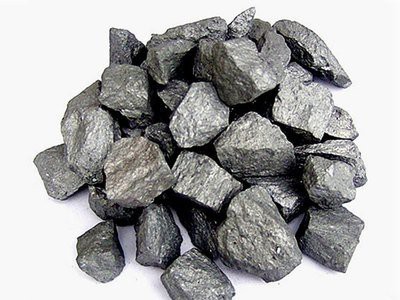
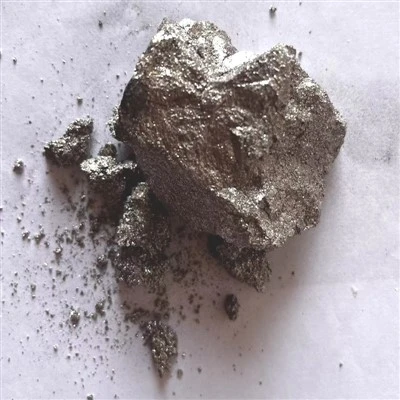
Silicon carbide (SiC), a compound of silicon and carbon, has emerged as a remarkable material in various industrial applications, particularly in high-temperature environments. As a leading supplier of silicon carbide products, I have witnessed firsthand the exceptional performance of this material under extreme heat conditions. In this blog, we will delve into the properties of silicon carbide that enable it to excel in high-temperature settings and explore its diverse applications.
1. Fundamental Properties of Silicon Carbide
Silicon carbide possesses several key properties that make it highly suitable for high-temperature environments. It has a very high melting point, typically around 2730°C, which allows it to maintain its structural integrity even at extremely high temperatures. This high melting point is a result of the strong covalent bonds between silicon and carbon atoms in the crystal lattice.
In addition to its high melting point, silicon carbide has excellent thermal conductivity. This means that it can efficiently transfer heat away from the source, preventing overheating and damage to the material. The thermal conductivity of silicon carbide is significantly higher than that of many other ceramics and metals, making it an ideal choice for heat management applications.
Another important property of silicon carbide is its chemical stability. It is highly resistant to oxidation and corrosion, even at high temperatures. This resistance is due to the formation of a protective oxide layer on the surface of the material when exposed to oxygen. The oxide layer acts as a barrier, preventing further oxidation and corrosion of the underlying silicon carbide.
2. Performance of Silicon Carbide in High - Temperature Environments
2.1 Thermal Stability
One of the most remarkable aspects of silicon carbide's performance in high - temperature environments is its thermal stability. When exposed to high temperatures, many materials undergo phase transitions or decomposition, which can lead to a loss of mechanical strength and other properties. However, silicon carbide remains stable up to very high temperatures.
For example, in applications such as high - temperature furnaces, silicon carbide components can withstand continuous operation at temperatures above 1600°C without significant degradation. This stability allows for reliable and long - term use of silicon carbide in these harsh environments. The ability of silicon carbide to maintain its crystal structure and mechanical properties at high temperatures is crucial for applications where dimensional stability and strength are required.
2.2 Mechanical Strength at High Temperatures
Silicon carbide retains its mechanical strength even at elevated temperatures. Unlike some metals that become soft and lose their strength when heated, silicon carbide maintains a relatively high level of hardness and toughness. This property makes it suitable for use in applications where mechanical stress is present at high temperatures, such as in cutting tools and wear - resistant parts.
In high - temperature machining operations, silicon carbide cutting tools can maintain their cutting edge and perform effectively, even when exposed to the intense heat generated during the cutting process. The high mechanical strength of silicon carbide also allows it to be used in structural components in high - temperature environments, such as in aerospace and power generation industries.
2.3 Electrical Properties at High Temperatures
Silicon carbide also exhibits unique electrical properties at high temperatures. It has a wide bandgap, which means that it can operate as a semiconductor at high temperatures without significant leakage currents. This property makes silicon carbide an attractive material for high - temperature electronics applications, such as in power electronics and high - frequency devices.
In power electronics, silicon carbide devices can operate at higher temperatures and frequencies compared to traditional silicon - based devices. This allows for more efficient power conversion and reduced energy losses in applications such as electric vehicles, solar power inverters, and industrial motor drives. The ability of silicon carbide to maintain its electrical performance at high temperatures is a key advantage in these emerging technologies.
3. Applications of Silicon Carbide in High - Temperature Environments
3.1 High - Temperature Furnaces
Silicon carbide is widely used in the construction of high - temperature furnaces. Its high melting point, thermal conductivity, and chemical stability make it an ideal material for furnace heating elements, kiln furniture, and crucibles. Furnace heating elements made of silicon carbide can provide uniform and efficient heating at high temperatures, ensuring consistent processing of materials inside the furnace.


Kiln furniture, such as shelves and supports, made of silicon carbide can withstand the high temperatures and mechanical stresses associated with firing processes in ceramic and glass industries. Crucibles made of silicon carbide are used for melting and holding high - temperature metals and alloys, thanks to their resistance to chemical attack and thermal shock.
3.2 Aerospace and Aviation
In the aerospace and aviation industries, silicon carbide is used in various high - temperature applications. For example, it is used in the manufacturing of turbine engine components, such as blades and vanes. The high mechanical strength and thermal stability of silicon carbide at high temperatures allow these components to operate under extreme conditions, improving the efficiency and performance of the engines.
Silicon carbide is also used in thermal protection systems for spacecraft. Its ability to withstand high temperatures and resist oxidation makes it suitable for protecting the spacecraft from the intense heat generated during re - entry into the Earth's atmosphere.
3.3 Power Electronics
As mentioned earlier, silicon carbide is revolutionizing the power electronics industry. High - temperature power devices made of silicon carbide, such as MOSFETs and diodes, are being increasingly used in electric vehicles, renewable energy systems, and industrial power supplies. These devices can operate at higher temperatures, which reduces the need for complex cooling systems and improves the overall efficiency of the power conversion process.
4. Our Silicon Carbide Products
As a silicon carbide supplier, we offer a wide range of high - quality silicon carbide products to meet the diverse needs of our customers. Our products include Silicon Carbide Properties And Applications, which provide in - depth information about the characteristics and uses of silicon carbide.
We also offer Silicon Carbide Abrasive Powder, which is widely used in grinding, polishing, and cutting applications due to its high hardness and abrasion resistance. Our High Purity Silicon Carbide is suitable for semiconductor and high - technology applications, where purity and performance are critical.
In addition, we provide Carbon Silicon Carbide and Deoxidizer High Carbon Silicon, which are used in the metallurgical industry for various applications, such as deoxidation and alloying.
5. Contact Us for Procurement
If you are interested in using silicon carbide products in your high - temperature applications or need more information about our products, please feel free to contact us. We are committed to providing high - quality silicon carbide products and excellent customer service. Our team of experts can help you choose the right product for your specific needs and provide technical support throughout the procurement process.
References
- "Silicon Carbide: A Review of Its Properties and Applications", Journal of Materials Science
- "High - Temperature Performance of Silicon Carbide in Aerospace Applications", Proceedings of the International Aerospace Conference
- "Power Electronics with Silicon Carbide Devices", IEEE Transactions on Power Electronics