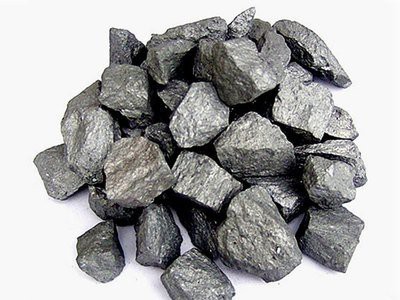
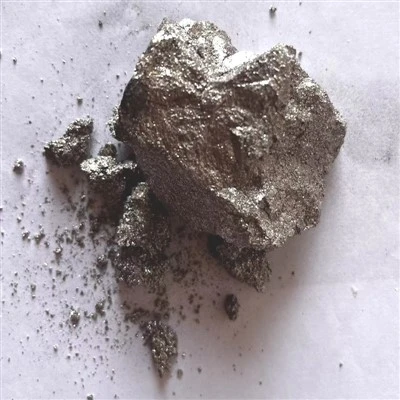
Ferro silicon alloy is a widely used ferroalloy in the metallurgical industry, known for its unique combination of properties that make it suitable for various applications. One aspect that is of significant interest is its brittleness properties, which can have a profound impact on its performance and usability. As a trusted supplier of ferro silicon alloy, I am here to delve into this important topic and share insights to help you better understand its brittleness and implications.
Understanding Brittleness in Ferro Silicon Alloy
Brittleness is a material property that describes the tendency of a material to fracture or break without significant plastic deformation. In the case of ferro silicon alloy, brittleness can be influenced by several factors, including its chemical composition, manufacturing process, and microstructure.
The chemical composition of ferro silicon alloy typically consists of iron (Fe) and silicon (Si), with varying proportions depending on the specific grade. Other elements such as aluminum (Al), calcium (Ca), and sulfur (S) may also be present in trace amounts, which can affect the brittleness of the alloy. For example, high levels of impurities or certain alloying elements can increase brittleness by promoting the formation of brittle phases or reducing the ductility of the material.
The manufacturing process of ferro silicon alloy also plays a crucial role in determining its brittleness. The production of ferro silicon alloy involves the reduction of silica (SiO₂) with coke in an electric arc furnace. The cooling rate during the solidification process can significantly affect the microstructure of the alloy, which in turn influences its brittleness. A rapid cooling rate can result in a fine-grained microstructure, which generally exhibits better mechanical properties and lower brittleness compared to a coarse-grained microstructure.
Factors Affecting the Brittleness of Ferro Silicon Alloy
1. Silicon Content
Silicon is the primary alloying element in ferro silicon alloy, and its content has a significant impact on the brittleness of the alloy. As the silicon content increases, the hardness and strength of the alloy also increase, but the ductility and toughness decrease, leading to an increase in brittleness. This is because silicon has a strong affinity for oxygen and can form silicon dioxide (SiO₂) inclusions in the alloy, which act as stress concentrators and promote crack initiation and propagation. You can learn more about Silicon Dioxide.
2. Impurities
Impurities such as sulfur, phosphorus, and non-metallic inclusions can also increase the brittleness of ferro silicon alloy. Sulfur and phosphorus can form brittle compounds with iron and other elements in the alloy, which can reduce the ductility and toughness of the material. Non-metallic inclusions, such as oxides, sulfides, and silicates, can act as stress concentrators and promote crack initiation and propagation, leading to an increase in brittleness.
3. Microstructure
The microstructure of ferro silicon alloy, including the grain size, phase distribution, and presence of secondary phases, can also affect its brittleness. A fine-grained microstructure generally exhibits better mechanical properties and lower brittleness compared to a coarse-grained microstructure. The presence of secondary phases, such as intermetallic compounds, can also increase the brittleness of the alloy by reducing the ductility and toughness of the material.
4. Temperature
The brittleness of ferro silicon alloy is also temperature-dependent. At low temperatures, the alloy becomes more brittle due to the reduced mobility of dislocations and the increased likelihood of crack initiation and propagation. As the temperature increases, the ductility and toughness of the alloy generally improve, and the brittleness decreases.
Impact of Brittleness on the Application of Ferro Silicon Alloy
The brittleness properties of ferro silicon alloy can have a significant impact on its performance and usability in various applications. In the steelmaking industry, ferro silicon alloy is commonly used as a deoxidizer and alloying agent to improve the mechanical properties and quality of steel. However, if the ferro silicon alloy is too brittle, it can break into small pieces during handling and addition to the steel melt, which can lead to uneven distribution of the alloying elements and affect the quality of the steel.
In the foundry industry, ferro silicon alloy is used as an inoculant to improve the graphite morphology and mechanical properties of cast iron. The brittleness of the ferro silicon alloy can affect its inoculation efficiency and the quality of the cast iron. If the alloy is too brittle, it may not dissolve completely in the molten iron, resulting in poor inoculation and reduced mechanical properties of the cast iron.
In addition, the brittleness of ferro silicon alloy can also affect its machinability and weldability. A brittle alloy may be more difficult to machine and may require special machining techniques and tools. It may also be more prone to cracking during welding, which can affect the integrity and performance of the welded joint.
Mitigating Brittleness in Ferro Silicon Alloy
As a supplier of ferro silicon alloy, we understand the importance of mitigating brittleness to ensure the quality and performance of our products. There are several strategies that can be employed to reduce the brittleness of ferro silicon alloy, including:
1. Controlling the Chemical Composition
By carefully controlling the chemical composition of the ferro silicon alloy, we can minimize the presence of impurities and optimize the ratio of alloying elements to reduce brittleness. For example, we can limit the sulfur and phosphorus content to reduce the formation of brittle compounds and improve the ductility and toughness of the alloy. We can also adjust the silicon content to achieve the desired balance between hardness, strength, and ductility.


2. Optimizing the Manufacturing Process
The manufacturing process of ferro silicon alloy can be optimized to produce a fine-grained microstructure with good mechanical properties and low brittleness. This can be achieved by controlling the cooling rate during the solidification process, using appropriate refining techniques to remove impurities, and ensuring uniform heat treatment to promote the formation of a homogeneous microstructure.
3. Adding Alloys
Certain alloying elements, such as magnesium and molybdenum, can be added to the ferro silicon alloy to improve its ductility and toughness and reduce brittleness. Magnesium can react with sulfur and oxygen in the alloy to form magnesium sulfide and magnesium oxide, which can reduce the harmful effects of these impurities and improve the mechanical properties of the alloy. You can explore Magnesium Wire for more details. Molybdenum can also improve the strength and toughness of the alloy by forming a solid solution with iron and other elements. Check out Ferromolybdenum for related information.
4. Low Aluminum Ferrosilicon
Using low aluminum ferrosilicon can also help to reduce brittleness. Aluminum can react with oxygen and nitrogen in the alloy to form aluminum oxide and aluminum nitride, which can increase brittleness. By using low aluminum ferrosilicon, we can minimize the formation of these brittle compounds and improve the ductility and toughness of the alloy. You can find more about Low Aluminum Ferrosilicon.
Conclusion
In conclusion, the brittleness properties of ferro silicon alloy are influenced by several factors, including its chemical composition, manufacturing process, microstructure, and temperature. Understanding these factors and their impact on brittleness is crucial for ensuring the quality and performance of ferro silicon alloy in various applications. As a supplier of ferro silicon alloy, we are committed to providing high-quality products with optimal brittleness properties. We use advanced manufacturing techniques and strict quality control measures to produce ferro silicon alloy that meets the specific requirements of our customers.
If you are interested in learning more about our ferro silicon alloy products or have any questions regarding its brittleness properties, we encourage you to reach out to us for further discussions. Our team of experts is always ready to assist you with your procurement needs and provide you with the best solutions for your applications.
For more in - depth knowledge about ferrous metals, you can refer to Articles About Ferrous Metals.
References
-ASM Handbook Volume 1: Properties and Selection: Irons, Steels, and High-Performance Alloys. ASM International.
-Ferroalloy Production: Classifications, Manufacturing, and Use. Springer.