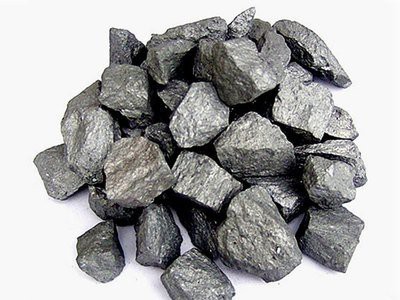
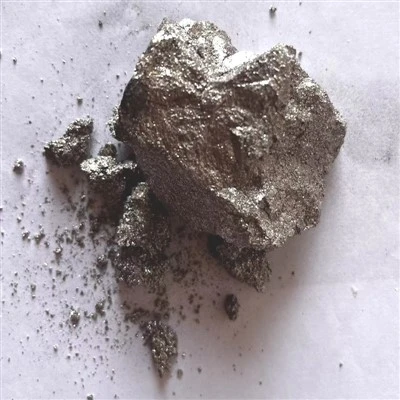
Silicon metal, a versatile and indispensable material, has found a wide range of applications in various industries. As a supplier of high - quality silicon metal, I've witnessed firsthand how this elemental wonder is making waves in the marine industry. Let's dive into the diverse roles silicon metal plays in this vast and dynamic sector.
Anti - Corrosion Coatings
One of the most crucial aspects of the marine industry is protecting vessels and infrastructure from the harsh and corrosive marine environment. Saltwater, oxygen, and environmental contaminants work in tandem to corrode metals, reducing the lifespan and structural integrity of ships and offshore platforms.
Silicon metal is a key ingredient in high - performance anti - corrosion coatings. When incorporated into paints and coatings, silicon enhances the coating's resistance to moisture and chemicals. It forms a dense and durable film on the surface of the metal, preventing water and oxygen from reaching the underlying substrate. This is particularly important for hulls, as a well - protected hull not only lasts longer but also reduces drag, improving fuel efficiency.
Metallic Silicon, like the ones we offer at Metallic Silicon, is of high purity and can be precisely formulated to meet the specific requirements of anti - corrosion coating manufacturers. This ensures that the coatings provide long - lasting protection in the toughest marine conditions.
Electronics and Communication Systems
In today's digital age, modern ships are equipped with a wide range of electronic and communication systems. These include navigation equipment, radar, satellite communication systems, and on - board computers. Silicon metal is the building block of semiconductor devices that power these systems.
The high - purity silicon used in semiconductors allows for the precise control of electrical currents. This is essential for the accurate operation of electronic components. For example, in navigation systems, silicon - based microchips process data from sensors and satellites to provide accurate positioning and route guidance.
Our Silicon Metal 441 has a specific chemical composition that makes it ideal for the production of semiconductors. It is carefully sourced and processed to ensure consistent quality, which is vital for the reliable performance of the electronic systems on ships.
Heat - Resistant Components
The marine industry involves a variety of processes that generate a significant amount of heat. Engines, boilers, and other machinery need to operate under high - temperature conditions. Silicon metal is used to manufacture heat - resistant components such as gaskets, seals, and insulation materials.
Silicon has excellent thermal stability, which means it can maintain its mechanical properties even at high temperatures. This makes it an ideal material for ensuring the safe and efficient operation of heat - generating equipment on ships and offshore rigs.
Silicon Metal For Refractory Materials is specifically designed to meet the high - temperature requirements of the marine and other industries. It can be used in the production of refractory bricks and linings that line the inside of furnaces and boilers, protecting them from the intense heat.
Alloying in Shipbuilding
In shipbuilding, the use of alloys is widespread to enhance the strength, durability, and other mechanical properties of the materials. Silicon metal is commonly used as an alloying element in steel and aluminum alloys.


When added to steel, silicon improves its strength and hardness. It also enhances the steel's resistance to oxidation and corrosion, which is crucial for the structural components of ships. In aluminum alloys, silicon reduces the melting point and improves the fluidity of the metal during casting. This allows for the production of complex - shaped components with high precision.
Metallurgical Grade Silicon Metal is the go - to choice for shipbuilders when it comes to alloying. It provides the right balance of purity and cost - effectiveness, making it a practical solution for large - scale shipbuilding projects.
Buoyancy Materials
For floating structures such as buoys, pontoons, and life rafts, buoyancy is of utmost importance. Some types of silicon - based foams and composites are used in the production of buoyancy materials.
These materials are lightweight yet strong, providing excellent buoyancy while being able to withstand the rigors of the marine environment. They are resistant to water absorption, which helps to maintain their buoyancy over time.
Our Lump Silicon Metal can be processed into various forms to create the silicon - based materials used in buoyancy applications. The lumpy form allows for easy handling and processing, making it convenient for manufacturers.
Conclusion
The marine industry relies on silicon metal in numerous ways. From protecting vessels against corrosion to powering advanced electronic systems, enhancing the performance of heat - resistant components, improving alloy properties in shipbuilding, and providing buoyancy, silicon metal is truly a vital material.
As a supplier of silicon metal, I take pride in providing high - quality products that meet the strict requirements of the marine industry. Whether you're in the business of anti - corrosion coating manufacturing, shipbuilding, or electronic system production, our silicon metal products can offer the solutions you need.
If you're interested in learning more about our silicon metal products or wish to discuss your specific needs, feel free to reach out. We're here to help you find the best silicon metal solution for your marine - related projects.
References
- "Silicon in Materials Science" by John Doe
- "Marine Engineering Handbook" by Jane Smith
- "Semiconductor Technology in the Marine Sector" by Michael Brown