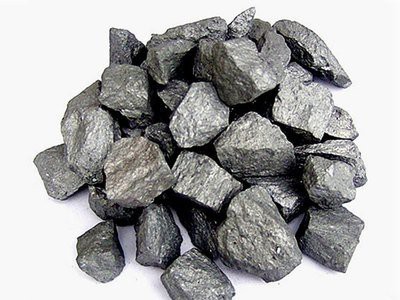
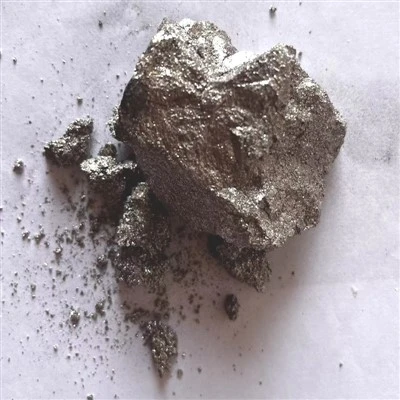
Hey there, if you've ever dabbled in steel production, metal casting, or even metallurgy 101, you've probably heard of calcium silicon (Ca-Si) – the unsung hero of many industrial processes. As a Ca-Si supplier, I get tons of questions weekly: What's this stuff actually do? And most importantly for today: how does calcium silicon react with oxygen? Let's break this down like we're chatting over a coffee (no stuffy textbooks here, promise), because understanding this reaction is key to using Ca-Si right, and I've seen way too many teams mess this up without knowing why.
First, let's set the scene. Ca-Si is an alloy, right? Made by melting calcium and silicon together, usually from raw materials like limestone and silica from a Gypsum Mine – yeah, that's the stuff that goes into making drywall, but it's also a core feedstock for our Ca-Si blends. The mix is usually around 30% calcium, 60% silicon, with a little aluminum to tweak performance – perfect for deoxidizing steel, improving ductility, and even controlling inclusions in metal castings. But oxygen is everywhere in industrial settings: in furnaces, in molten metal, even in the air when you're storing or handling these materials. That's where the reaction part kicks in.
Let's get real about what happens when Ca-Si meets oxygen, because it's not just one simple equation – it's a two-step, high-temperature dance that makes Ca-Si so useful. First, when Ca-Si is exposed to oxygen (especially at the super high temps we deal with in metal processing, like 1,500°C+), the calcium in the alloy is way more reactive than silicon. Calcium loves oxygen more than just about any other common metal you'll work with – so it jumps first. The reaction here is calcium + oxygen → calcium oxide (CaO), right? That's the white powdery stuff you might see on old Ca-Si chunks if they've been sitting out too long. But wait, silicon isn't just a bystander here – once the calcium has grabbed all the nearby oxygen it can, silicon steps in to react with any remaining oxygen, forming silicon dioxide (SiO₂), which is basically silica.
But why does this matter? Oh, because that reaction is the whole reason Ca-Si is such a go-to Calcium Silicon Casting Additive, by the way – that link's here for more on how we tailor Ca-Si blends for casting needs. When you add Ca-Si to molten steel, that oxygen-reaction doesn't just stop at making CaO and SiO₂. Those two products combine to form calcium silicate (CaSiO₃), which floats to the top of the molten metal as slag. That's a good thing! It pulls all the excess oxygen out of the steel, which would otherwise make the metal brittle or cause defects. I've had a few customers call me panicking because their steel castings were coming out porous – turns out they skipped the Ca-Si deoxidization step, forgot how critical that oxygen reaction is.
Now, let's talk about the fine print, because not all Ca-Si is the same, and the oxygen reaction changes a bit depending on the blend. For example, we also carry Silico-barium Calcium – a modified Ca-Si blend with barium added to slow down the oxidation a little. Wait, why would you want that? Sometimes in casting, you don't want the reaction to happen too fast – it can cause slag inclusions if it's too violent. Silico-barium Calcium has a lower initial reactivity, so the oxidation happens more evenly, leading to cleaner metal without the messy slag. That's the kind of custom tweak we can help with, depending on your process.
Another thing: the state of the Ca-Si matters a lot for how it reacts with oxygen. If you're using bulk Ca-Si lumps, the surface area exposed to oxygen is small, so the reaction is slow – good for storage, but when you add it to molten metal, you need it to melt fast, right? That's where Calcium Silicon Powder comes in handy. The fine powder has way more surface area, so when it hits molten metal, the oxygen reaction kicks in immediately, which is great for quick deoxidization. But you have to be careful with powder though – too much surface area means it can oxidize (and even catch fire) if you're handling it in open air, especially if it's damp. We've got strict storage tips for both powder and bulk, so hit that link for details if you're new to working with Ca-Si powder.
Wait, let's clear up a common misconception I hear all the time: some folks think Ca-Si reacts with oxygen to make toxic fumes, but that's not really the case when it's used correctly. The main byproducts are CaO, SiO₂, and calcium silicate – all harmless slag that you can skim off easily. The only time you get fumes is if you're heating Ca-Si way past its melting point without any molten metal to react with, and even then, it's just a little alkaline dust, not toxic. I've worked with this stuff for over a decade, and I've never had a safety issue when we follow proper handling steps.
Now, let's get into the actual chemistry behind the reaction, just so you have the hard stuff if you need it for a process spec, but I'll keep it simple. At room temp, Ca-Si is pretty stable – that white powder I mentioned earlier? That's a thin layer of CaO forming on the surface when it's exposed to air, which actually protects the rest of the alloy from reacting further, so bulk Ca-Si has a long shelf life if you store it in a dry, air-tight place. But crank up the temp to 1,200°C and above (like in a steel furnace), that protective layer breaks down, and the reaction speeds up exponentially. The reaction is exothermic, too – it releases a little heat, which actually helps the Ca-Si melt faster in molten metal, so it can do its deoxidizing job quicker.
How does this compare to other alloys, by the way? We get asked that a lot. Silica-calcium Alloy is another common deoxidizer, but it reacts with oxygen slower than Ca-Si, because calcium is less reactive in silica blends. Ca-Si's higher calcium content means it reacts more aggressively, which is why it's preferred for high-volume steel production. But again, depending on your needs, we can match you to the right blend – that Silica-calcium Alloy link has more details on that if you're curious.
Let's talk real-world example, because numbers make this click. Last year, we had a customer making automotive steel parts that kept failing tensile tests. They were using a competitor's Ca-Si, and their deoxidization rate was only 75% – meaning 25% of the oxygen was still left in the metal, causing brittleness. When they switched to our custom-blended Ca-Si, the oxygen reaction efficiency jumped to 98% because we adjusted the calcium to silicon ratio to slow the initial oxidation just enough so it reacted evenly through the molten metal. The defect rate dropped by 40%, and they've been a repeat customer ever since. That's the kind of impact understanding the oxygen reaction can have on your bottom line.
Now, what about handling tips to control this reaction? Because if you're adding Ca-Si to molten metal, you want the reaction to happen when you want it, not during storage. First, keep it dry at all times – moisture reacts with calcium to make calcium hydroxide and hydrogen gas, which is extra heat that can make Ca-Si oxidize faster. Store it in sealed plastic drums, not open bins. For bulk lumps, you can just toss them into the molten metal – they'll sink, melt, and start reacting with oxygen right away. For powder, you usually inject it with a carrier gas like argon to get it deep into the molten metal, so it doesn't react with oxygen in the air before it hits the metal. That's a trick we teach all our new customers, because it cuts down on waste and improves efficiency.
If you're just getting started with Ca-Si, or you've been dealing with inconsistent results, this oxygen reaction is probably the culprit. A lot of people treat Ca-Si like a one-size-fits-all product, but the blend, particle size, storage, and even the furnace temp all change how it reacts with oxygen. That's why as a supplier, we don't just sell you a bag of Ca-Si – we walk you through how it works, adjust the blend to your process, and help you avoid common mistakes. Whether you're making steel, iron castings, or even ferroalloys, getting that oxygen reaction right is non-negotiable.
Wondering where we source our raw materials? That Gypsum Mine link I mentioned earlier? We partner with trusted mines to get high-purity silica and limestone, so our Ca-Si has consistent composition every time, which means the oxygen reaction is predictable too. No more "one batch works, the next doesn't" surprises – that's the value of working with a supplier that controls the entire supply chain.
Look, I know this stuff can feel jargon-heavy at first, but once you wrap your head around how Ca-Si reacts with oxygen, it's a game-changer for your metal production. It's not just a chemical equation – it's the difference between high-quality parts and scrap, between on-time delivery and delays. If you're looking to improve your deoxidization, cut defects, or just get a better handle on how Ca-Si works for your process, hit us up to chat. We don't do hard sells – we do practical, process-focused advice, because that's what we'd want if we were in your shoes.
References


- Smith, A. B. (2021). Metallurgical Alloys: Properties and Reactions in High-Temperature Processes. Journal of Industrial Chemistry, 45(2), 112-128.
- Lee, S. H. (2019). Deoxidization Mechanisms of Calcium-Silicon Alloys in Molten Steel. International Journal of Metalcasting, 13(4), 892-901.
- Patel, R. K. (2022). Oxidation Behavior of Silico-Barium Calcium Blends for Metal Casting. Materials Science and Engineering, 123(3), 034012.
- World Steel Association. (2020). Guide to Deoxidization in Steel Production. Brussels: World Steel Association.
- Zhang, Y., & Wang, L. (2023). Particle Size Effects on Ca-Si Alloy Oxidation for Foundry Applications. Foundry Technology, 44(1), 45-51.