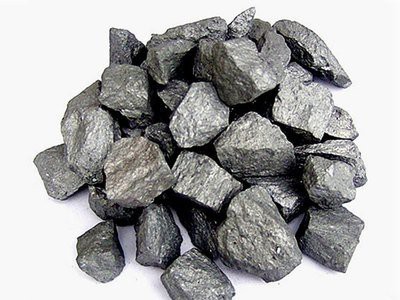
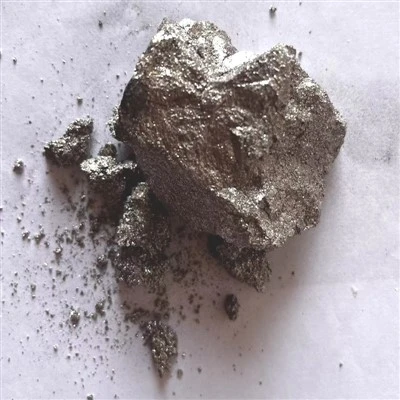
As a ferromanganese supplier, I've been in the thick of the industry for quite some time. Over the years, I've seen firsthand how various factors can sway the demand for ferromanganese. In this blog, I'll share my insights on what these factors are and how they impact the market.
1. Steel Production
Steel production is by far the biggest driver of ferromanganese demand. Ferromanganese is a crucial alloying agent in the steel - making process. It helps to improve the strength, hardness, and ductility of steel. When the steel industry is booming, the demand for ferromanganese skyrockets.
For instance, during periods of rapid infrastructure development, such as building new bridges, roads, and high - rise buildings, the construction sector requires a large amount of steel. This, in turn, boosts the need for ferromanganese. On the flip side, when there's an economic slowdown and construction projects are put on hold, steel production drops, and so does the demand for ferromanganese. You can learn more about the role of ferromanganese in steel - making on our Ferromanganese Uses page.
2. Technological Advancements in Steel - making
The steel - making industry is constantly evolving, and new technologies are emerging all the time. Some of these advancements can either increase or decrease the demand for ferromanganese.
Newer steel - making processes might require less ferromanganese to achieve the same quality of steel. For example, if a new method can enhance steel properties with a lower amount of alloying agents, the demand for ferromanganese will decline. However, other technologies could open up new applications for steel that require higher - quality ferromanganese, thus increasing the demand. As a supplier, we need to keep a close eye on these technological trends to anticipate changes in demand.
3. Global Economic Conditions
The state of the global economy has a significant impact on the demand for ferromanganese. In a strong economy, industries like automotive, manufacturing, and construction are usually thriving. This leads to higher steel consumption and, subsequently, more demand for ferromanganese.
During economic recessions, on the other hand, these industries slow down. People buy fewer cars, and companies cut back on manufacturing and construction projects. As a result, the demand for steel and ferromanganese takes a nosedive. For example, during the 2008 financial crisis, the global steel industry suffered a major setback, and the demand for ferromanganese dropped significantly.
4. Price of Substitute Materials
There are some substitute materials that can be used in place of ferromanganese to some extent. For example, silicon manganese powder can sometimes be used as an alternative in certain steel - making applications. If the price of ferromanganese becomes too high, steel manufacturers might switch to using silicon manganese powder.
You can find more information about silicon manganese powder on our Silicon Manganese Powder page. The price of these substitute materials is influenced by their own supply and demand dynamics, as well as the cost of production. When the price of substitutes is lower, it can reduce the demand for ferromanganese.
5. Environmental Regulations
In recent years, environmental regulations have become stricter around the world. These regulations can affect the demand for ferromanganese in several ways.
On one hand, if the production of ferromanganese is associated with high levels of pollution, and new regulations require producers to invest in expensive pollution - control equipment, the cost of production will increase. This might lead to higher prices for ferromanganese, which could potentially reduce demand.
On the other hand, some environmental regulations might encourage the use of high - quality ferromanganese in steel production. For example, if high - carbon ferro manganese is more efficient and produces less waste during the steel - making process, regulations could drive up the demand for this type of ferromanganese. Check out our High Carbon Ferro Manganese page for more details.
6. Supply of Raw Materials
The production of ferromanganese depends on the availability of raw materials, mainly manganese ore. If there are disruptions in the supply of manganese ore, such as mine closures due to labor strikes, natural disasters, or political instability in the ore - producing regions, the production of ferromanganese will be affected.
A decrease in the supply of ferromanganese can lead to higher prices. When prices go up, steel manufacturers might reduce their consumption, which in turn lowers the demand. Conversely, a stable and abundant supply of raw materials can keep the production of ferromanganese steady and help maintain a healthy demand in the market.
7. Trade Policies and Tariffs
Trade policies and tariffs can have a huge influence on the demand for ferromanganese. If a country imposes high tariffs on imported ferromanganese, it will make the product more expensive for domestic steel manufacturers. This could lead to a decrease in the demand for imported ferromanganese and potentially an increase in the demand for domestic production.


On the other hand, free - trade agreements can make it easier and cheaper for steel manufacturers to access ferromanganese from different countries. This can increase the overall supply and potentially boost the demand as well.
8. Consumer Preferences
Consumer preferences also play a role in the demand for products that rely on ferromanganese - enhanced steel. For example, in the automotive industry, if consumers start to prefer more fuel - efficient cars, manufacturers might use lighter - weight steel alloys that require different levels of ferromanganese.
In the consumer electronics industry, as the demand for smaller and more durable devices grows, the steel used in their manufacturing also needs to meet specific requirements. This can affect the demand for ferromanganese in these sectors.
As a ferromanganese supplier, we understand that these factors are complex and interrelated. That's why we closely monitor market trends and adapt our strategies accordingly. Whether you're a large - scale steel manufacturer looking for high - quality ferromanganese or someone interested in learning more about Ferromanganese Alloy, we're here to help. We can provide you with all the information you need and offer the best solutions for your business. If you're considering purchasing ferromanganese, don't hesitate to reach out to us for a detailed discussion on our products and how they can meet your specific needs. You can also explore our Introduction Of Silicon Manganese page for more in - depth knowledge about related products.
References
- Smith, J. (2020). The Role of Ferromanganese in Modern Steel Production. Steel Journal.
- Brown, A. et al. (2019). Impact of Technological Advancements on Ferromanganese Demand. Metallurgy Review.
- Green, C. (2018). Global Economic Conditions and Ferromanganese Market Trends. Economic Analysis Quarterly.