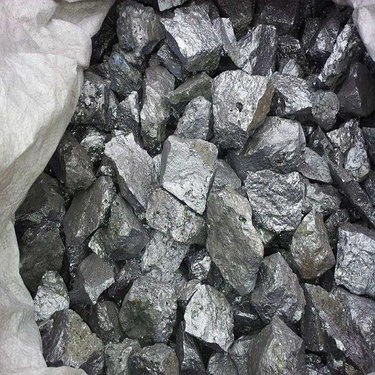
If you've ever walked past a metal processing plant or worked in the metallurgy sector, you've probably spotted piles of gray, gritty byproduct left sitting near the facility-ferro silicon slag. As a ferro silicon slag supplier with years of experience working with this material, I've fielded dozens of questions from customers, regulators, and even curious neighbors about whether this common industrial byproduct poses a threat to the environment. The short answer: like most industrial materials, its impact depends entirely on how it's produced, handled, stored, and reused. Let's break down what ferro silicon slag is, what it's made of, and whether it's hazardous to our air, water, or land.
First, let's set the basics. Ferro silicon is an alloy made by combining iron and silicon (often with small amounts of other elements like aluminum, calcium, or carbon) in a high-temperature electric arc furnace. It's a workhorse of modern manufacturing-used in everything from steel production to solar panel manufacturing, so it's no surprise that its byproduct, slag, is produced in large volumes. When molten ferro silicon is cooled, the non-metallic impurities that separated out during the smelting process form a glassy, granular material: that's ferro silicon slag. It's often mistaken for regular construction aggregate, but its composition is very different.
To understand its environmental profile, we need to dig into its chemical makeup, which varies based on the type of ferro silicon being produced. For example, ferro silicon 72 (one of the most common grades of ferro silicon, which is 72% silicon by weight) has a distinct impurity profile that translates directly to its slag. Ferrosilicon slag is primarily composed of silicon dioxide (SiO₂), aluminum oxide (Al₂O₃), and calcium oxide (CaO) - all compounds that occur naturally in rocks, sand, and even soil. Unlike some industrial slags that carry heavy metal contaminants, standard ferrosilicon slag from reputable producers typically has very low levels of harmful heavy metals like lead, cadmium, or mercury-levels that are often well below regulatory limits for non-hazardous materials.
That said, it's not entirely benign. The key environmental risks of ferro silicon slag come from two main scenarios: improper disposal and poor handling during processing. Let's start with air quality. When slag is crushed or ground (a common step to prepare it for reuse, whether as an aggregate for roads, a raw material for cement, or a component in fertilizer), fine particles can become airborne. These particles are small enough to be inhaled, and while they're not toxic in the way heavy metal fumes are, prolonged exposure to high levels of respirable silica dust (which makes up a large portion of ferrosilicon slag particles) can cause silicosis, a serious lung condition. That's a risk for workers processing the slag, not just the environment, but it's an important point for anyone working with the material. For the broader environment, airborne dust from slag piles can settle on nearby vegetation, water bodies, or residential areas-though this is only a concern if piles are left uncovered in high-wind areas, a practice most responsible facilities avoid.
Water contamination is another area where ferro silicon slag's impact depends on handling. If slag is stored in unlined piles near rivers, lakes, or groundwater aquifers, rainwater can seep through the pile and leach dissolved compounds into the water. In most cases, the leachate from standard ferrosilicon slag is neutral or slightly alkaline, and the concentrations of dissolved solids (like silicon and calcium) are low enough to meet drinking water standards. But there are exceptions: if the slag is produced from lower-grade ferro silicon that has higher levels of trace contaminants, or if it's stored in areas with porous soil that allows leachate to reach shallow groundwater, there could be minor increases in dissolved metals. To put that in perspective, this is far less of a risk than leachate from unlined landfills or mining waste, but it's still a reason to follow best practices for storage.
Now, the good news: ferro silicon slag is incredibly versatile, and most of what's produced is reused rather than sent to landfills. This is where my role as a supplier really matters, because reusing slag eliminates most of its environmental risks. When processed correctly, slag can be used as a substitute for natural aggregate in road construction, as a raw material in the production of cement and concrete, as a soil amendment to improve soil structure, and even as a component in certain industrial filters. For example, some of our customers use processed slag as a base layer for roads, which reduces the need to quarry natural stone-an activity that has its own set of environmental impacts. Other clients use our off-the-shelf slag remover products designed specifically to extract any residual ferro silicon from slag, turning a waste product into a secondary source of valuable alloy.
Another common point of confusion is the difference between ferro silicon slag and other silicon-based materials. For context, ferro silicon is often used as a raw material in the production of single crystal silicon, which is the core component of solar panels and semiconductors. While single crystal silicon is a high-purity material with very different properties, the slag from its production is similar to standard ferro silicon slag in its basic composition. This is a good reminder that all silicon-based industrial materials are part of a interconnected supply chain, and responsible sourcing of materials at every step helps minimize overall environmental impact.
So, is ferro silicon slag hazardous? The answer is no-if it's managed and reused properly. The biggest misconception I encounter is that all industrial byproducts are automatically toxic, but that's not the case here. Ferrosilicon slag is a non-hazardous material under most global regulatory frameworks, including the U.S. Environmental Protection Agency (EPA) and the European Union's REACH regulation, when it meets standard chemical purity limits. The only time it becomes a concern is when it's handled negligently: left uncovered to generate dust, stored improperly to risk water contamination, or sent to a landfill when it could be reused.


As a supplier, we prioritize responsible production and reuse at every stage. We work closely with our clients to ensure that the slag we provide is processed and handled in a way that minimizes environmental impact. We also educate our customers on the best practices for storing and using ferro silicon slag, from covering outdoor piles to testing leachate for water safety. For those looking to incorporate slag into their operations, we offer a range of related products, from standard ferro silicon alloys like ferro silicon 72 to processing aids and solutions that help maximize the value of slag as a secondary material.
The future of ferro silicon slag's environmental impact will depend on two key factors: stricter regulations on industrial waste management and continued innovation in reuse technologies. As more industries look for sustainable alternatives to virgin raw materials, ferro silicon slag will play an increasingly important role in circular economy models. Instead of seeing it as waste, we're starting to view it as a valuable resource that can reduce the environmental footprint of manufacturing, construction, and energy production.
If you're looking for a reliable source of ferro silicon slag or related products to support your sustainable operations, we're here to help. Our team has years of experience working with clients across industries, and we can provide tailored solutions that meet your specific needs while adhering to the highest environmental standards. Whether you're a construction company seeking aggregate alternatives, a cement plant looking for raw materials, or a manufacturer working with ferro silicon powder or other silicon-based products, we have the expertise to support you.
References
- World Health Organization. (2000). Environmental Health Criteria 127: Silica, Amorphous. Geneva, Switzerland: World Health Organization.
- U.S. Environmental Protection Agency. (2019). Non-Hazardous Secondary Materials Management: Industrial Byproducts. Washington, D.C.: U.S. EPA Office of Solid Waste.
- European Chemicals Agency. (2021). REACH Registration Dossiers: Ferrosilicon Slag. Helsinki, Finland: ECHA.
- Metallurgy Society. (2020). Byproduct Reuse in Ferrosilicon Production: A Global Review. Warrendale, PA: The Minerals, Metals & Materials Society.
- International Energy Agency. (2022). Silicon Supply Chains for Solar Photovoltaics. Paris, France: IEA Renewable Energy Division.