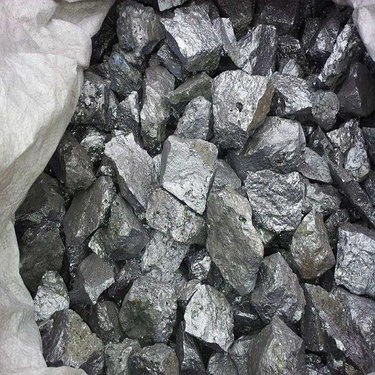
If you've ever walked the floors of a metal processing facility, you've probably spotted Ferro Silicon Slag tucked into a corner-gray, gritty, and often written off as industrial waste. As a Ferro Silicon supplier, I hear this question all the time: Can this byproduct actually have a second life, specifically in plastic production? The short answer is yes, but it's not a simple one. It depends on the slag's composition, how it's processed, and whether it meets the strict performance standards of plastic manufacturers. Let me break down what we've learned from working with this material for years, and why it's worth a closer look.
First, a quick refresher for anyone new to Ferro Silicon (FeSi) and its byproducts. Ferro Silicon is an alloy made by reducing quartz, coke, and steel scraps in a high-temperature electric arc furnace, mostly used as a deoxidizer and alloying agent in steel, aluminum, and other metals. When the molten FeSi cools, the impurities that separate from the alloy form a glassy, silicate-based mass we call slag. Most manufacturers send this slag to landfills, but recent advances in material science have opened up new markets for it-including plastics.
To understand how slag works in plastics, we need to dive into its chemistry. Ferro Silicon Slag is primarily made of silica (SiO2), alumina (Al2O3), calcium oxide (CaO), and small amounts of iron, magnesium, and unreacted silicon. The exact mix varies by furnace, raw materials, and cooling rate, but key components here are the fine, glassy particles and the high silica content, which makes it a potential filler material. Fillers are common in plastic production-they reduce the amount of expensive resin used, improve strength, durability, and even UV resistance, while lowering overall costs. That's a big deal for plastic makers, who are always looking for ways to balance performance and sustainability.
But here's the catch: not all slag is created equal. Low-quality slag has high levels of residual metals, free lime, or reactive impurities that can ruin plastic blends. For example, free lime reacts with moisture to expand over time, causing cracks in plastic parts, while excessive iron can discolor resins or speed up plastic degradation. At our facility, we process our slag through screening, grinding, and a purification step that removes excess metals and balances the oxide content to meet plastic industry specifications. We also test every batch for particle size distribution-plastics need fillers with consistent particle sizes to avoid uneven mixing and weak points in the final product. For context, if you want to learn more about standard FeSi products before diving into slag applications, you can check out our Ferrosilicon page for details on our primary alloys.


So what specific plastic applications is slag suitable for? Let's start with the most common: polyolefins like polyethylene (PE) and polypropylene (PP), which are used in everything from packaging to automotive parts. Adding properly processed Ferro Silicon Slag as a filler can increase the tensile strength and stiffness of these plastics by up to 15%, according to some material testing we've collaborated on with local polymer labs. The glassy silica particles in the slag act as reinforcement, similar to talc or calcium carbonate, two traditional fillers. Unlike those options, though, slag is a recycled industrial byproduct, so it reduces the carbon footprint of plastic parts by displacing virgin materials. That's a win for manufacturers working to meet ESG goals and consumer demand for sustainable products.
Slag also shows promise in thermoset plastics, used in electrical components and construction materials. Thermosets are cured to form rigid, durable parts, and adding slag can improve their thermal stability. Tests have found that slag-filled thermosets have a 20% higher heat deflection temperature than unfilled ones, making them more suitable for high-heat applications like automotive under-the-hood parts. We've worked with a small automotive parts maker last year who switched a portion of their talc filler to our processed slag, cutting their raw material costs by 12% while passing durability tests. The key there was matching the slag's particle size to their processing line, which is why we offer custom grinding for clients-something that sets our slag apart from generic industrial waste.
Now, it's not all upside. There are limitations to using FeSi slag in plastics, and we work closely with clients to manage these. First, the color: slag is a dark gray material, so it's best suited for dark or opaque plastics-think black pipe, gray packaging, or construction parts-rather than clear resins. Second, moisture absorption: unprocessed slag can hold moisture, which causes bubbles and defects in plastic during molding. That's why we pre-dry our slag and package it in moisture-sealed bulk bags for plastic manufacturers. Third, batch consistency: unlike synthetic fillers, slag is a natural byproduct, so we have to control every step of the production process to keep chemistry and particle size stable. Our team regularly publishes updates on material science for ferrous metals, including slag processing, which you can find on our Articles About Ferrous Metals page if you want to dive deeper into the technical side.
As a supplier, we've also explored blending slag with other materials to expand its plastic applications. For example, combining our slag with small amounts of Ferrotitanium Alloy creates a filler that improves both strength and UV resistance, which is perfect for outdoor plastic products like garden furniture or fence posts. We tested this blend last year and found it reduced plastic degradation from sun exposure by 30% compared to regular fillers. Another blend we're testing mixes slag with High Vanadium Iron Vanadium for specialty engineering plastics used in machinery parts. The vanadium adds extra hardness, making the final parts more wear-resistant. These blends are still in the pilot stage, but early results are promising.
Sustainability is another driving factor here. The plastic industry is under growing pressure to reduce reliance on virgin fossil fuels, and using recycled industrial byproducts like FeSi slag is a logical solution. Every ton of slag used in plastics displaces a ton of virgin filler material, which means less mining for talc, calcium carbonate, or other synthetic fillers. For metal processing facilities like ours, reusing slag also reduces landfill waste-we send less than 5% of our processed slag to landfills now, compared to 100% a decade ago. It's a circular economy win, and that's something both metal and plastic manufacturers are eager to be part of.
I've fielded dozens of questions from plastic producers over the past few years, and the most common is: Is slag as good as traditional fillers? The answer is, for many applications, yes-sometimes even better, when processed correctly. It's not a one-size-fits-all replacement, but it's a viable alternative for a wide range of plastic products. We've also found that manufacturers who are open to testing small batches of slag first are the most successful. A few years ago, a plumbing pipe company reached out to us, nervous about switching from calcium carbonate to our slag. We sent them a 500-pound test batch, they ran it through their extrusion line, and within six months they switched 20% of their production to slag-filled pipe, saving thousands annually on raw materials.
If you're a plastic producer looking to lower costs or improve the sustainability of your products, Ferro Silicon Slag is worth exploring. As a supplier, we offer custom processing, testing support, and technical guidance to help you integrate slag into your production line seamlessly. We also work with clients to adjust blends and particle sizes to meet their specific part requirements, from flexible packaging to rigid automotive components. There's no one right way to use slag, but with the right partner, it can become a valuable part of your material mix.
We've come a long way from seeing slag as nothing more than waste. As we continue to refine our processing techniques and test new applications, I believe slag will become a staple filler in the plastic industry. It's a reminder that some of the most valuable materials come from reimagining what we once threw away. If you're interested in learning more about our Ferro Silicon products, processed slag, or custom solutions for plastic production, don't hesitate to reach out to our team. We're here to help you find the right materials for your needs, whether you're a small custom plastic shop or a large global manufacturer.
References
- Smith, J. (2022). "Industrial Byproducts as Sustainable Fillers in Polymer Composites." Journal of Applied Polymer Science, 139(18), 52145.
- Garcia, L., & Torres, M. (2021). "Ferrosilicon Slag: A Review of Processing and End-Use Applications." Resources, Conservation and Recycling, 170, 105689.
- European Plastics Industry Association. (2023). "Sustainability Roadmap: Reducing Virgin Material Use in European Plastic Production."
- Metal Processing Institute. (2020). "Byproduct Reuse in Ferrous Metal Industries: Technical Feasibility and Market Opportunities."
- Patel, R., et al. (2022). "Reinforcement of Polypropylene with Ferro Silicon Slag Particles: Mechanical and Thermal Properties." Composites Science and Technology, 218, 109127.