


Silico Manganese Density
Products Description

The density of silico manganese alloy typically ranges between 6.0 and 6.4 g/cm³, with specific values fluctuating based on the proportion of silicon (Si) and manganese (Mn) in the alloy.
Core Factors Influencing Density Variation
The density of silicon-manganese alloys is determined by their chemical composition, with silicon content being the key influencing factor.
- Impact of Silicon Content: Silicon's density (2.33 g/cm³) is significantly lower than manganese's density (7.43 g/cm³). Consequently, higher silicon content in the alloy results in lower overall density. Conversely, higher manganese content causes the density to approach that of pure manganese.
- Impact of Impurities and Structure: The presence of impurities such as phosphorus or sulfur in the alloy, or the existence of minor internal porosity resulting from the production process, can also cause the actual density to be slightly lower than the theoretical calculated value.
The Effect of Silicon-Manganese Density on Steel Smelting
1. Impact on Melting and Diffusion Efficiency of Alloys in Molten Steel
Density determines the settling speed and melting rate of silicon-manganese alloy after being added to molten steel, directly affecting the smelting rhythm.
If the alloy density differs significantly from molten steel density (approximately 7.8 g/cm³)-such as being too low (<6.0 g/cm³)-the alloy tends to float on the surface, preventing rapid descent into high-temperature zones. This results in slow melting and extended smelting time.
When the alloy density is moderate (6.0–6.4 g/cm³), it rapidly sinks to the high-temperature zone in the lower-middle part of the molten steel, melting uniformly and diffusing quickly. This ensures timely participation of silicon and manganese in deoxidation and alloying reactions.
2. Impact on Silicon and Manganese Recovery Rates
Density determines the proportion of silicon and manganese absorbed by molten steel by influencing the contact state between the alloy and the molten steel.
Alloys with excessively low density, if containing numerous pores or powder, readily entrain gases from the molten steel during melting, forming bubbles. These bubbles carry portions of silicon and manganese upward into the slag, causing elemental loss and reducing recovery rates.
Dense alloys with high density ensure thorough contact with molten steel during melting, reducing the likelihood of elemental adsorption by slag and maintaining high silicon and manganese recovery rates.
3. Impact on Molten Steel Purity
Alloy density indirectly influences the content of inclusions in molten steel.
Alloys with lower density often contain more powder and slag inclusions. These impurities are difficult to separate from the molten steel during smelting, ultimately remaining in the steel as non-metallic inclusions that reduce strength and toughness.
Alloys with uniform and dense density have lower impurity content. Slag inclusions formed during melting are readily adsorbed by the slag, effectively enhancing molten steel purity and ensuring steel quality.
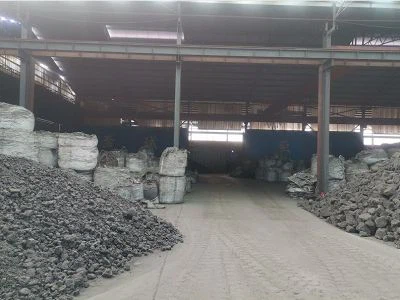
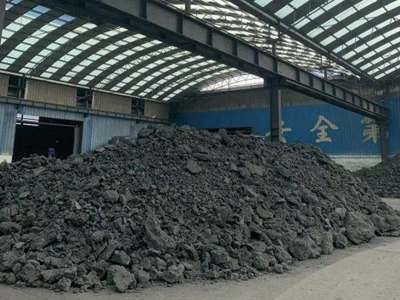
Our factory

Company Profile

Anyang DeDao Material Co., Ltd. was established on May 8, 2020. The office building is located in the west section of Angang Avenue, Yindu District, Anyang City. The company has two warehouses, both in the first town of China Railway Hejin - Qugou Town, convenient transportation, rich resources, advantageous geographical location. The factory has a scientific management mode, strong technical force, testing means complete.
Previous
Use Of Silico ManganeseYou Might Also Like


Send Inquiry