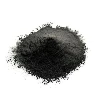
carbon content
High-carbon ferromanganese is an alloy composed of manganese and iron. It is mainly produced using two methods: the blast furnace method and the electric furnace method. Electric furnace high-carbon ferromanganese is primarily used in the steelmaking process as a deoxidizer, desulfurizer, and alloying agent. In addition, it can also be used in the production of medium- and low-carbon ferromanganese.
The carbon content in high-carbon ferromanganese typically ranges from 2% to 8%, though the exact percentage may vary depending on production processes, raw materials, and additives.
Role of Carbon
1. Enhancing Mechanical Properties
Carbon forms carbides with iron and manganese, which increases the hardness and wear resistance of the alloy. However, it also raises its brittleness to some extent. These characteristics make it suitable for applications that require high hardness, such as the alloying stage after deoxidation in steelmaking.
2. Lowering the Melting Point
Carbon addition reduces the melting point of ferromanganese. Pure manganese has a melting point of about 1244°C, while high-carbon ferromanganese typically melts at 1200–1300°C. This facilitates melting and casting during smelting, thereby reducing energy consumption.
3. Deoxidation and Alloying in Steelmaking
In steelmaking, high-carbon ferromanganese serves both as a deoxidizer and a source of manganese. Manganese helps improve the toughness and strength of steel. The carbon content is adjusted based on the steel grade: for low-carbon steels, a decarburization process is required to reduce carbon levels; for medium- or high-carbon steels, the carbon can be directly utilized for alloying.
Factors Affecting Carbon Content
- Carbon Content in Raw Materials:
Raw materials such as graphite or coke with high carbon content can increase the final carbon level in high-carbon ferromanganese.
- Melting Temperature:
High-carbon ferromanganese requires a smelting temperature above 1600°C. At such high temperatures, the solubility of iron and manganese increases, and carbon dissolves more easily. Therefore, higher melting temperatures can result in increased carbon content.
- Furnace Type and Slag:
Production may involve different types of furnaces such as electric arc furnaces or converters. Variations in furnace temperature, oxygen atmosphere, and slag composition can influence the carbon content of the final product.
- Additives:
Elements like aluminum and silicon are often added during production, and these additives can also affect the carbon content of high-carbon ferromanganese.
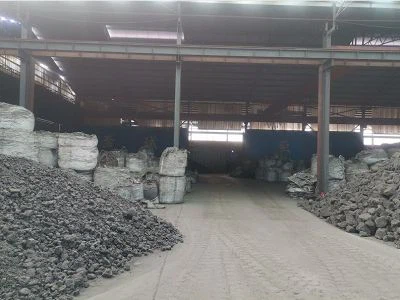
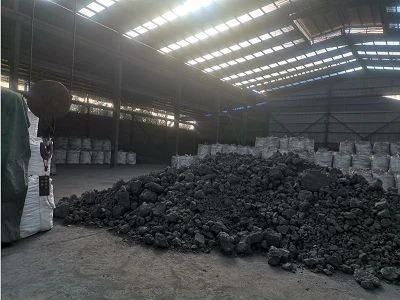
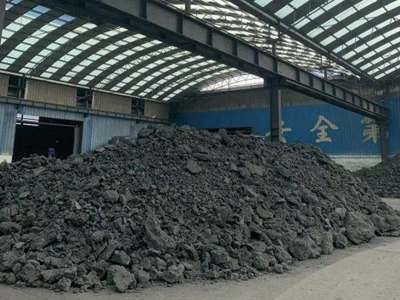
Dedao offers a wide range of products including ferrosilicon, silicomanganese, and ferromanganese in various specifications. If you need more detailed information or are interested in purchasing, please feel free to send us an email. wangwei@dedaoferrosilicon.com Our professional team will get back to you promptly.