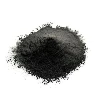
Silicon metal and silicon-manganese alloy have different compositions and properties, and different applicable fields. They can be partially replaced in certain specific scenarios.
What is the core difference between silicon metal and silicon-manganese alloy?
The main component of silicon metal is silicon, with a purity of usually more than 95%, containing a small amount of impurities such as iron, aluminum, and calcium. It is the industrial form of elemental silicon.
Silicon-manganese alloy is a composite alloy composed of silicon, manganese, iron, and a small amount of carbon, phosphorus, etc. The silicon content is generally 10%-30%, and the manganese content is 60%-80%. It is an alloying product of silicon and manganese.
The difference in composition between the two directly leads to different performance and functions.
In what scenarios is it difficult for silicon metal to replace silicon-manganese alloy?
In core areas such as steel smelting, the unique role of silicon-manganese alloy is difficult to be replaced by silicon metal. There are two main reasons:
- Complexity of functions
Silicon-manganese alloy plays two roles in steelmaking: deoxidation and alloying: silicon acts as a strong deoxidizer to remove oxygen from molten steel. Manganese enters the steel to increase strength and hardness. Silicon metal can only provide silicon but cannot supplement manganese. If used alone, additional ferromanganese is required, which will increase the cost and process complexity.
- Cost and efficiency
Silicon-manganese alloy can introduce silicon and manganese at the same time by adding it once, which simplifies the smelting process. Silicon metal has high purity and is usually more expensive than silicon-manganese alloy. It can be used in scenarios where there is no requirement for manganese content. If a combination of silicon metal and ferromanganese is used, the cost is higher and the economic efficiency is poor.
In which scenarios can silicon metal be partially replaced?
In areas where there is no requirement for manganese, silicon metal can replace the silicon component in silicon-manganese alloy, such as:
- Cast aluminum alloy
This scenario requires silicon to improve fluidity and wear resistance, and no manganese is required. At this time, high-purity metal silicon has better deoxidation and alloying effects.
- Silicone production
This scenario only requires silicon as a raw material and has nothing to do with manganese. Silicon metal is a direct raw material, and silicon-manganese alloy cannot be used because it contains impurities such as manganese.
Substitution means that the scenario has different requirements for components, not equivalent replacement in performance.
DeDao is a professional manufacturer of ferroalloy products. If you need related products, please contact us. We will reply to your email as soon as possible. wangwei@dedaoferrosilicon.com