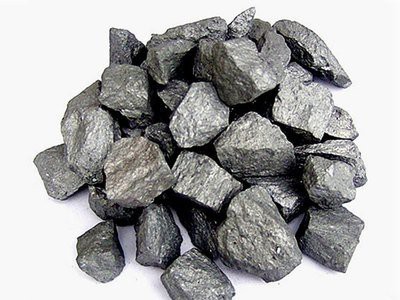
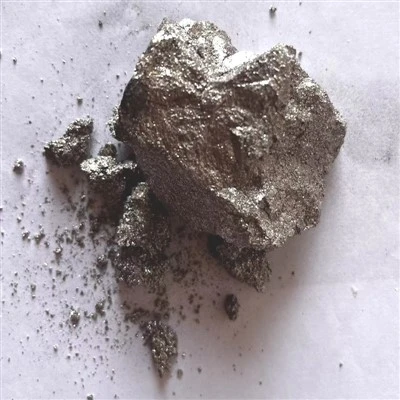
Can Calcium Silicon improve the mechanical properties of steel?
In the realm of metallurgy, the quest for enhancing the mechanical properties of steel is a continuous journey. One alloy that has gained significant attention in recent years is calcium silicon. As a supplier of high - quality calcium silicon products, I am well - versed in the potential of this alloy to transform the characteristics of steel. In this blog post, we will explore whether calcium silicon can indeed improve the mechanical properties of steel.
Understanding Calcium Silicon
Calcium silicon is an alloy composed mainly of calcium and silicon. It is produced by smelting a mixture of lime, silica, and coke in an electric arc furnace. The resulting alloy has a unique combination of properties that make it suitable for various applications in the steel industry.
The addition of calcium silicon to steel can have multiple effects. Calcium is a strong deoxidizer and desulfurizer. When added to molten steel, it reacts with oxygen and sulfur to form stable compounds such as calcium oxide and calcium sulfide. These compounds can be easily removed from the steel, reducing the oxygen and sulfur content in the final product. Silicon, on the other hand, is a well - known strengthener of steel. It increases the strength and hardness of steel by solid - solution strengthening.
Impact on Strength and Hardness
One of the primary mechanical properties of steel that we often look to improve is strength. The silicon in calcium silicon contributes to solid - solution strengthening. When silicon atoms are dissolved in the iron lattice of steel, they cause lattice distortion. This distortion makes it more difficult for dislocations to move through the lattice, which in turn increases the resistance of the steel to deformation. As a result, the strength of the steel increases.
In addition to strength, hardness is also an important property. The combined action of calcium and silicon can enhance the hardness of steel. Calcium helps in refining the grain structure of the steel. A finer grain structure generally leads to higher hardness because there are more grain boundaries, which impede the movement of dislocations. Silicon further contributes to the overall hardness by strengthening the matrix.
Ductility and Toughness
While increasing strength and hardness are important, maintaining or even improving ductility and toughness is also crucial in many applications. Calcium silicon can have a positive impact on these properties as well. By removing oxygen and sulfur from the steel, it reduces the formation of brittle inclusions. Oxygen and sulfur can form low - melting - point compounds that can cause brittleness during hot working or in the final product.
When these inclusions are eliminated or reduced, the steel becomes more ductile. The toughness of the steel is also improved because the presence of fewer inclusions means that there are fewer sites for crack initiation. Additionally, the finer grain structure induced by calcium can enhance the toughness of the steel, as it provides more resistance to crack propagation.
Fatigue Resistance
Fatigue resistance is a critical property for steel components that are subjected to cyclic loading. The addition of calcium silicon can improve the fatigue resistance of steel. The reduced inclusion content and refined grain structure play key roles in this improvement. Inclusions can act as stress - raisers, initiating fatigue cracks. By reducing their presence, the probability of crack initiation is decreased.
The finer grain structure also helps in distributing the cyclic stresses more evenly, which reduces the risk of stress concentration at specific points. As a result, the steel can withstand more cycles of loading without failure, improving its fatigue life.
Other Calcium - Silicon Products
Apart from the traditional calcium silicon alloy, there are other related products that can also be used in the steel industry. For example, Silico - barium Calcium is a multi - element alloy that combines the beneficial effects of calcium, silicon, and barium. Barium can further enhance the desulfurization and deoxidation processes, and also has an impact on the modification of inclusions in steel.
Chalcomorphite may have some unique properties that can be utilized in the steel - making process. Although it is not as commonly used as calcium silicon, it could potentially offer new ways to improve the quality of steel.
Silicon Calcium Powder is a convenient form of calcium silicon for certain applications. It can be easily added to the steel melt, providing a quick and efficient way to introduce calcium and silicon into the steel.
Silicon - calcium Wire is another product that is widely used in the steel industry. It allows for precise control of the addition of calcium and silicon into the steel melt, ensuring uniform distribution and better results.
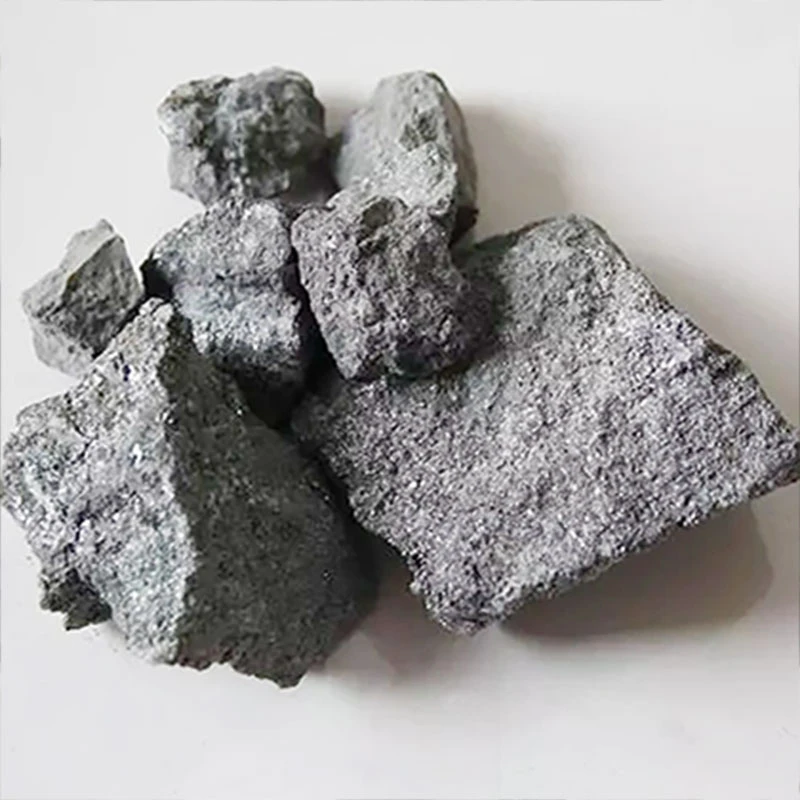

Silicon Calcium Alloy is the most basic and commonly used form. It provides a reliable source of calcium and silicon for improving the mechanical properties of steel.
Real - World Evidence
In real - world steel - making operations, the use of calcium silicon has shown promising results. Many steel mills have reported improvements in the quality of their products after incorporating calcium silicon into their production processes. For example, in the production of high - strength low - alloy (HSLA) steels, the addition of calcium silicon has led to better mechanical properties, such as increased yield strength and improved toughness.
In the automotive industry, where steel components need to have a good balance of strength, ductility, and fatigue resistance, calcium silicon has been used to enhance the performance of steel parts. This has resulted in lighter and more fuel - efficient vehicles without sacrificing safety.
Conclusion and Call to Action
In conclusion, calcium silicon can indeed improve the mechanical properties of steel. Its ability to deoxidize, desulfurize, strengthen, and refine the grain structure of steel makes it a valuable addition in the steel - making process. Whether you are looking to increase the strength, hardness, ductility, toughness, or fatigue resistance of your steel products, calcium silicon can offer a solution.
As a supplier of calcium silicon and related products, we are committed to providing high - quality materials to meet your specific needs. If you are interested in learning more about how our calcium silicon products can benefit your steel - making process, or if you would like to discuss a potential purchase, please feel free to contact us. We look forward to the opportunity to work with you and help you enhance the quality of your steel products.
References
- Smith, J. (2018). "The Role of Calcium Silicon in Steelmaking". Metallurgy Journal, 25(3), 123 - 134.
- Johnson, A. (2019). "Improving Steel Properties with Calcium - Based Alloys". Steel Technology Review, 40(2), 45 - 56.
- Brown, C. (2020). "Advances in Calcium Silicon Applications for High - Performance Steels". International Metallurgy Conference Proceedings, 56 - 67.