


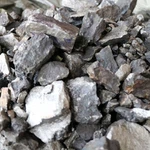
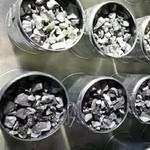

Silicomanganese Production
Manganese (Mn): 60–70%
Silicon (Si): 10–20%
Carbon (C): 1.5–2.5%
Iron (Fe): Balance
Products Description
Silico manganese is an alloy material primarily composed of silicon and manganese elements. This alloy plays a crucial role in steel production, enhancing the properties of steel.
In steel manufacturing, silico manganese alloy is mainly used as a deoxidizer and alloying agent. During steelmaking, it reacts with oxygen in the steel to form stable oxides, thereby reducing oxygen content and improving steel purity. Simultaneously, the manganese element in the alloy dissolves into the steel matrix, strengthening the base structure and improving the steel's strength and toughness.
Additionally, silicon-manganese alloy can be used in the production of other alloys, such as stainless steel and heat-resistant steel.
Products


Production Process of Silicomanganese Alloy
The production process of silicomanganese alloy mainly consists of two stages: electric furnace smelting and ladle (or secondary) refining.
1. Electric Furnace Smelting
Silicomanganese alloy is produced in an electric furnace. First, raw materials such as pig iron, manganese ore, limestone, and quartz sand are charged into the furnace in a specified proportion for smelting. The electric furnace used is typically a DC arc furnace or a short-arc electric furnace.
Inside the furnace, high temperatures are generated through electrode discharge, causing the raw materials to melt rapidly. A reducing agent-usually steelmaking slag and iron scrap-is then added to the molten mixture. The reducing agent reduces manganese oxides and silicon oxides in the melt, forming the silicomanganese alloy.
During the smelting process, temperature control is critical. The smelting time and the amount of reducing agent can be adjusted as needed to achieve the desired alloy composition and quality.
2. Outside-Furnace Refining
The silicomanganese alloy produced in the electric furnace is transferred to an external refining unit for further processing. The purpose of refining is to remove impurities and oxides generated during the furnace smelting process.
Refining is typically carried out using converters, tilting furnaces, oxygen blowing, or vacuum refining methods. Converters and tilting furnaces are common refining equipment, where oxygen is blown from the bottom to heat the molten metal and remove impurities.
In oxygen-blowing refining, high-pressure oxygen is injected into the molten pool, where it reacts with carbon in the metal to produce CO and CO₂ gases, thereby achieving decarburization.
Vacuum refining involves transferring the molten alloy into a vacuum chamber, where heating and stirring under low pressure help remove dissolved gases and impurities from the melt.
Certificates


Why Choose Us?

- Our silicomanganese products perform consistently in a variety of applications.
- Our silicomanganese products are trusted and used by many top companies in a variety of industries.
- We are committed to providing our customers with products of the highest quality and reliability.
- Our extraordinary customisation capabilities and extensive collaborative development with our customers has allowed us to thrive in the silicomanganese industry.
- Unity is a core part of a great team and a strong guarantee to do every job well.
- We endeavour to build long-lasting relationships with our customers based on trust, quality and reliability.
Previous
No InformationNext
SiMn AlloyYou Might Also Like


Send Inquiry