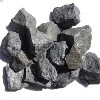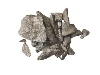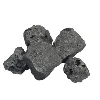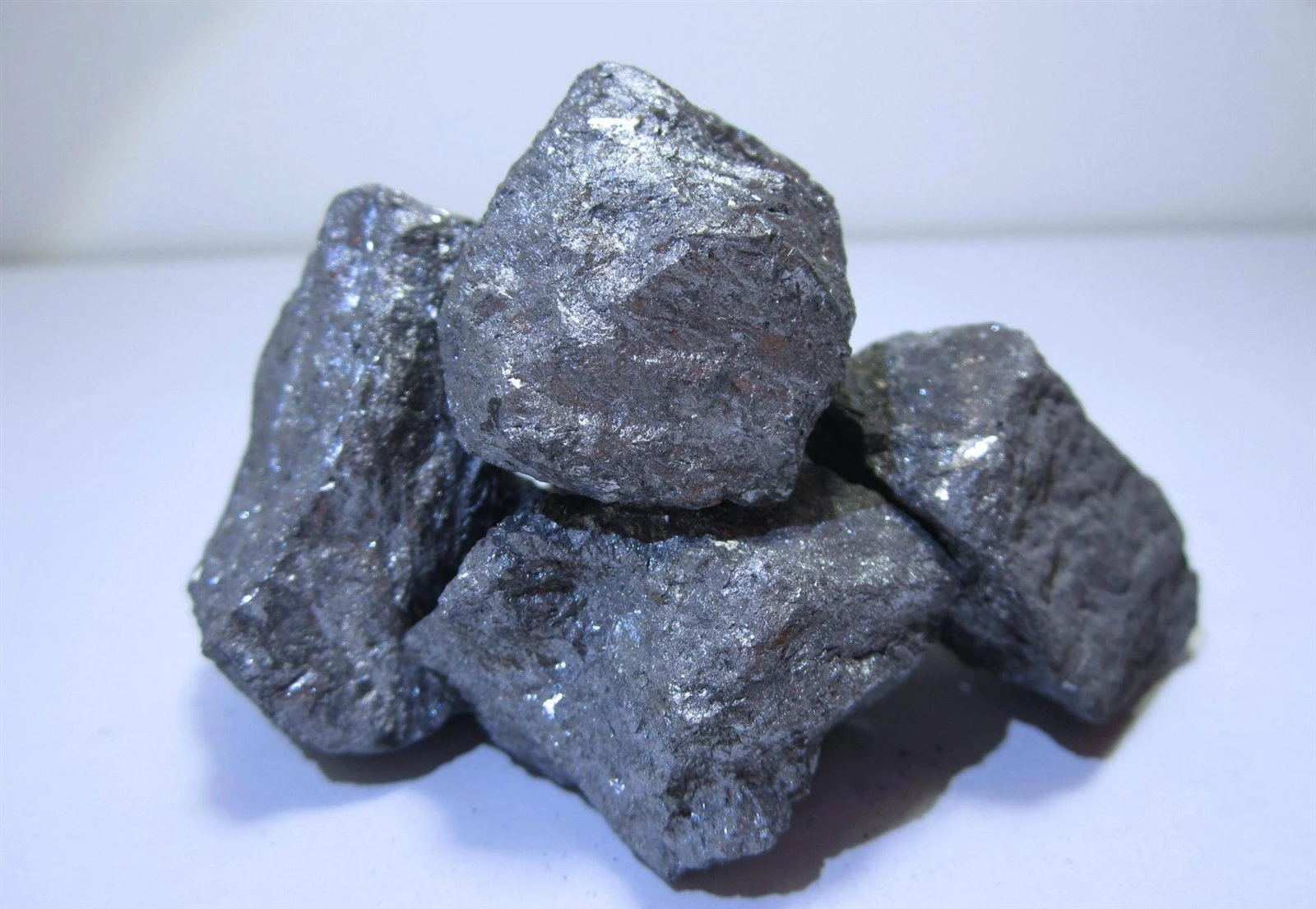
Calcium Silicon Block are alloy materials composed of silicon (Si) and calcium (Ca) in specific proportions, typically presented in ingot form for convenient addition to molten steel during steelmaking. Their silicon content generally ranges from 55% to 65%, calcium content from 24% to 32%, with the remainder consisting of trace elements such as iron and aluminum. This seemingly simple composition plays multiple complex and critical roles in the steelmaking process.
Why Are Calcium Silicon Block "Irreplaceable"?
Technical Irreplaceability
1. Unique Properties of Calcium: Calcium is the only element that simultaneously meets the following conditions:
- Strong affinity with both oxygen and sulfur
- Capable of altering the morphology of alumina inclusions
- High vapor pressure, forming "calcium bubbles" in molten steel to promote collision, aggregation, and flotation of inclusions
- Relatively Economically Viable
2. Irreplicable Synergistic Effects: Silicon calcium is not merely silicon + calcium; its unique ratio and structure enable smoother, more controllable reactions in molten steel. Pure calcium, due to its low density and boiling point, causes violent boiling when directly added to molten steel, resulting in extremely low recovery rates. Within the silicon-calcium alloy, silicon acts as a "carrier" and "controlled-release agent," enabling calcium to penetrate deep into molten steel smoothly and efficiently.
3. Process Adaptability: Suitable for all steelmaking equipment and process routes-whether electric arc furnaces, converters, or refining processes like LF or RH-silicon-calcium blocks integrate seamlessly into existing workflows.
Unparalleled Economic Value
Considering full-process costs, while silicon-calcium blocks increase raw material expenses, their comprehensive benefits far outweigh the investment:
- Increase the proportion of high-quality steel grades
- Reduce returns and claims due to steel quality issues
- Extend continuous casting nozzle life, minimizing downtime
- Improve yield rates and production efficiency
How to Properly Use Calcium Silicon Blocks?
The timing, method, and quantity of calcium silicon block addition are strictly regulated. Improper use may fail to achieve the desired effect or even cause adverse impacts:
1. Timing: Typically added during the steelmaking process or mid-refining stage after initial deoxidation and desulfurization of molten steel.
2. Methods:
- Dumping Method: Directly dumped into the ladle-simple but with lower recovery rate.
- Wire Feeding Method: Using a wire feeder to deliver calcium silicate cored wire deep into the molten steel. This method achieves high recovery rates and consistent results (recommended method).
3. Dosage: Precisely calculated based on steel grade, initial oxygen/sulfur content, target purity, etc., typically 0.5–2.0 kg/ton of steel
4. Process Control: Requires adequate stirring post-addition to promote homogenization, with controlled settling time to ensure complete impurity flotation
Varied Requirements for Calcium Silicate Blocks Across Steel Grades
- High-strength low-alloy steels: Emphasis on calcium treatment to alter inclusion morphology, enhancing toughness and resistance to hydrogen-induced cracking
- Bearing steels: Extremely stringent requirements for oxide inclusions; silicon-calcium treatment is essential
- Pipeline steels: Focus on sulfide morphology control to prevent anisotropy caused by manganese sulfide
- Welded structural steels: Requires oxygen content and inclusion control to ensure weldability
Development Trends
As demands for steel performance continue to rise, calcium silicon block technology is also advancing:
1. Precision: More accurate chemical composition control and particle size distribution
2. Complexity: Development of multi-component alloys like silicon-calcium-barium and silicon-calcium-magnesium to provide customized solutions for specific steel grades
3. Process Optimization: Enhanced integration with wire feeding technology and soft blowing processes to improve calcium recovery rates and utilization efficiency
4. Environmental Sustainability: Energy conservation, emission reduction, and recycling initiatives throughout the production process
For steel producers, calcium silicate blocks are not optional additives but essential components for producing high-quality steel-a consensus that has taken hold among the world's leading steel enterprises. As China's steel industry transitions toward high-quality development, a deep understanding and proper application of key metallurgical materials like calcium silicate blocks will increasingly become a vital indicator of industry competitiveness.