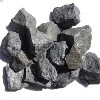
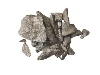
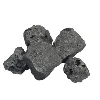
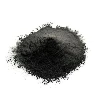
Boron content of ferroboron is the mass fraction of elemental boron inside iron‑boron alloy. It is the core index for grade sorting, melting addition calculation and trade valuation.
Ferroboron, or FeB, is a master alloy used to add boron into molten steel and cast iron. Regular commercial grades carry boron from 9% to 25%. The rest is iron plus controlled impurities including aluminium, silicon, carbon, sulphur and phosphorus. FeB18 and FeB20 are the mainstream grades, widely adopted by steel mills for boron‑alloyed structural steel, spring steel and HSLA steel.
Why boron content matters for steel plants
Steel only needs a tiny boron residual level, normally 5–30 ppm, to lift hardenability. Boron slows down ferrite and pearlite transformation, so martensite or bainite can form at slower cooling rates. This helps mills cut consumption of high‑cost alloy elements such as chromium, molybdenum and nickel.
Since the final boron target in finished steel is extremely low, the boron value on your test certificate directly decides how much ferroboron to add per heat. Batch‑to‑batch boron fluctuation will cause unstable boron recovery. Low boron brings no hardening benefit. Too much boron leads to brittleness, hot cracking and grain boundary damage.
Practical tips for buyers
Grade naming follows boron range. For example, FeB18C0.1 means boron 17–19%, max carbon 0.1%. Carbon, aluminium and silicon are secondary specs but must match your smelting route. Low‑carbon ferroboron (C ≤0.05%) suits high‑end clean steel. Medium‑carbon grades work for regular cast iron and common alloy steel with better cost.
Consistent boron assay beats nominal figures. Reliable suppliers keep batch deviation within ±0.5%. Big variation will break your melting formula and raise rejection rate.
Boron recovery never hits 100%. Boron easily reacts with oxygen and nitrogen in molten steel. Even with fixed boron content in FeB, smelters usually add titanium or zirconium for nitrogen fixation, and feed ferroboron after full deoxidation to get better boron yield.
Closing note
Boron content is more than a label. It sets price basis, addition weight and final metallurgical performance. When sourcing ferroboron, steel purchasers should prioritise stable boron test results, tight impurity limits and steady recovery, instead of blindly picking higher‑boron grades.
Dedao Company supplies standard ferroboron with stable boron content and valid test reports. Reach out to us for your ferroalloy raw material requirements.