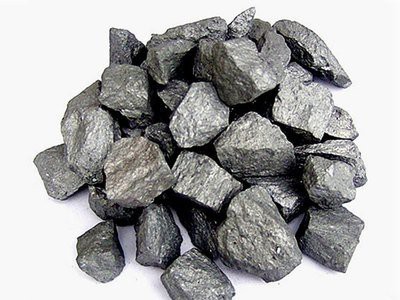
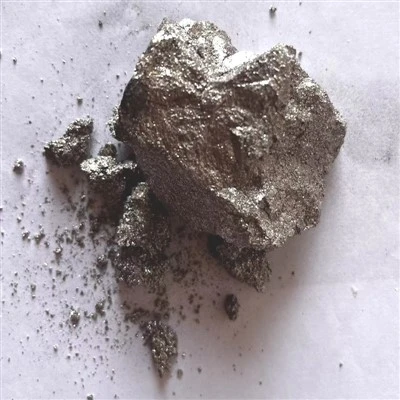
Ferro silicon slag and ferro silicon alloy are both important materials in the metallurgical industry, but they have distinct characteristics and applications. As a ferro silicon slag supplier, I've had the chance to see firsthand how these two materials stack up against each other. In this blog post, I'll share my insights on how ferro silicon slag compares to ferro silicon alloy.
Composition and Production
Let's start with the basics - composition and production. Ferro silicon alloy is a well - known alloy made up of iron and silicon. It's produced in electric arc furnaces by reducing silica or sand with coke in the presence of iron. The high - temperature process results in a homogeneous alloy with a specific silicon content, which can range from around 15% to 90%. This alloy is prized for its consistent quality and well - defined chemical makeup.
On the other hand, ferro silicon slag is a by - product of the ferro silicon alloy production process. When ferro silicon alloy is made, impurities and excess materials are separated out and form the slag. The composition of ferro silicon slag can vary quite a bit. It contains silicon, iron, along with other elements such as calcium, aluminum, and magnesium. The silicon content in ferro silicon slag is generally lower than that in the alloy, and its chemical composition can be less predictable due to the nature of being a by - product.
Cost - effectiveness
One of the major factors in the metallurgical industry is cost, and here ferro silicon slag has a significant advantage. Since it's a by - product, the production cost of ferro silicon slag is much lower compared to ferro silicon alloy. For companies looking to cut down on costs without sacrificing too much on quality, ferro silicon slag can be a great option.
For example, in some small - scale foundries where the requirements for silicon addition are not extremely strict, using ferro silicon slag can save a substantial amount of money. The lower cost doesn't mean it's useless; it can still contribute to the overall quality of the final metal product by providing a certain amount of silicon and other beneficial elements.
However, for high - end applications where precise control of alloy composition is crucial, like in the production of certain specialty steels, ferro silicon alloy is often the preferred choice. The consistent composition of the alloy allows for accurate adjustments of the metal's properties, even though it comes at a higher price.


Applications
Ferro silicon alloy has a wide range of applications. It's commonly used as a deoxidizer in steelmaking. When added to molten steel, it reacts with oxygen to form silicon dioxide, which can be easily removed from the steel. This helps in improving the quality of the steel by reducing the oxygen content and enhancing its mechanical properties such as strength and ductility.
It's also used in the production of cast iron. In cast iron manufacturing, ferro silicon alloy can increase the fluidity of the molten metal, making it easier to pour into molds. Additionally, it can improve the graphite formation in cast iron, leading to better machinability and wear resistance.
Ferro silicon slag, while having a different set of applications, is also valuable. In the steel industry, it can be used as a slag modifier. By adjusting the properties of the slag, it can improve the desulfurization and dephosphorization processes during steelmaking. The slag can also act as a heat insulator in the ladle, reducing heat loss and improving the energy efficiency of the steel - making process.
In the production of some non - ferrous metals, ferro silicon slag can be recycled to recover valuable elements. It can be used in the production of cement as well, where it can enhance the strength and durability of the cement. You can find more Articles About Ferrous Metals to learn about other related applications.
Quality and Performance
When it comes to quality and performance, ferro silicon alloy has a more consistent edge. As mentioned earlier, its production process allows for tight control over the chemical composition. This means that when it's used in a metallurgical process, the results are more predictable. For instance, in a high - precision steel - making operation, using ferro silicon alloy ensures that the desired silicon content is accurately achieved, leading to a high - quality end - product.
Ferro silicon slag, on the other hand, has more variability. The inconsistent composition can sometimes make it a bit challenging to use. However, with proper testing and analysis, this variability can be managed. Some suppliers, including me, offer detailed chemical analysis reports for the ferro silicon slag we supply. This way, customers can make informed decisions about how much slag to use and what adjustments to make in their production processes.
Environmental Impact
In terms of environmental impact, ferro silicon slag has an advantage. Since it's a by - product, using it helps in reducing waste. Recycling and reusing the slag in various industries means that less material is sent to landfills. This is in line with the growing trend of sustainable manufacturing in the metallurgical industry.
Ferro silicon alloy production, while essential, consumes a significant amount of energy. The high - temperature electric arc furnace process requires a large amount of electricity, which has an environmental cost. However, the industry is constantly working on improving the energy efficiency of alloy production to reduce its environmental footprint.
Specialized Types
There are also specialized types within both ferro silicon slag and ferro silicon alloy. For example, Low Aluminum Ferrosilicon is a type of ferro silicon alloy that has a low aluminum content. This is important in some applications where aluminum can cause problems, such as in the production of certain types of electrical steels.
In the case of ferro silicon slag, there are also different grades based on its chemical composition. Some slag may be rich in certain elements, making it more suitable for specific applications. For example, slag with a high calcium content can be particularly useful in the desulfurization process in steelmaking.
Complementary Use
In many cases, ferro silicon slag and ferro silicon alloy can be used together. For example, in a steel - making process, a small amount of ferro silicon alloy can be used to achieve the precise silicon content required, while ferro silicon slag can be added to improve the slag properties and reduce costs. This complementary use allows companies to balance quality, cost, and efficiency.
Conclusion
In conclusion, ferro silicon slag and ferro silicon alloy each have their own unique features. Ferro silicon alloy offers high - quality, consistent performance but comes with a higher cost. Ferro silicon slag, on the other hand, is a cost - effective option with a wide range of applications and a positive environmental impact.
If you're in the market for ferro silicon slag or want to learn more about how it can be used in your production processes, I'd love to have a chat. Whether you're a small foundry looking to save on costs or a large - scale steelmaker interested in improving efficiency, I can provide you with the right ferro silicon slag solution. Feel free to reach out and start a conversation about your specific needs.
References
- Smith, J. (2020). Metallurgical Materials Handbook. Publisher X.
- Johnson, A. (2019). By - products in the Metallurgical Industry. Journal of Metallurgy, Vol. 15, pp. 23 - 35.