


Sulfur-oxygen Incubator

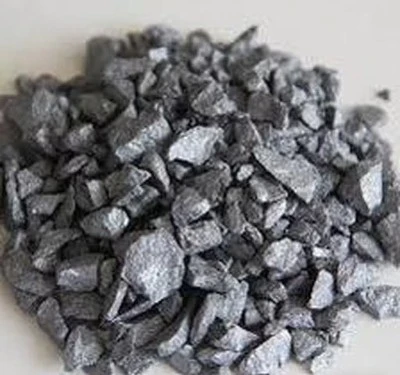
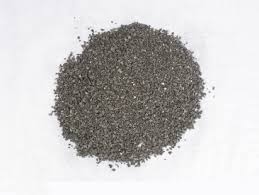
Detailed introduction to core aspects
Help you better understand the product
Product Definition and Working Principle
Sulfur-oxygen inoculant is a composite metallurgical additive primarily composed of sulfides, oxides, and rare earth elements, used in the steel smelting process for deoxidation, desulfurization, and grain refinement.
Core mechanism of action:
Deoxidation: Through the high affinity reaction between sulfur and oxygen, SO₂ gas is generated and released, reducing free oxygen in the molten steel.
Nodularization treatment: Rare earth elements promote heterogeneous nucleation, refine the grain structure of castings, and enhance mechanical properties.
Performance Advantage Comparison
Differentiated advantages over traditional deoxidizers (ferrosilicon, calcium silicate):
Higher deoxidation efficiency, lower sulfur residue, higher grain size grade
Application scenarios and usage methods
Applicable process steps:
Electric arc furnace smelting: Add before tapping, dosage 0.5-1.2 kg/ton of steel.
Continuous casting ladle: Precisely injected through a feeding machine to control sulfur-oxygen microalloying.
Special steel production: Particularly suitable for steel grades with strict requirements for inclusions, such as bearing steel and gear steel.
Operating points: Argon gas stirring is required to ensure uniform distribution.
Economic benefit analysis
Steel mill cost savings case study:
Actual data from a steel mill with an annual production capacity of 3 million tons:
Deoxidizer cost reduction: ¥620,000/month
Energy consumption reduction (due to shorter refining time): ¥180,000/month
Yield improvement gains: ¥1.2 million/month
Return on investment period: approximately 3-6 months.
Environmental Protection and Sustainable Development
Green Value Highlights:
Emissions Reduction: 30% reduction in fluoride dust emissions (compared to aluminum deoxidation process)
Waste Utilization: By-product CaS-Al₂O₃ slag can be used as cement raw material
Policy Support: Compliant with EU Green Steel Certification Standard Level B requirements
Technological trends
Future innovation directions:
Intelligent addition system: linked with IoT sensors to adjust the addition amount in real time.
Nanotechnology treatment: reduce the particle size of sulfur oxides to less than 100 nm to increase the reaction speed.
Hydrogen metallurgy adaptation: develop low-melting-point sulfur oxides to adapt to hydrogen-based direct reduction iron processes.
Conclusion: Sulfur-oxygen-based deoxidizers are revolutionizing traditional deoxidizers by redefining steel metallurgy process standards from multiple perspectives, including performance, cost, and environmental protection.
Previous
No InformationNext
No InformationYou Might Also Like


Send Inquiry