


Furnace filling: furnace lining is made of magnesium materials: furnace lining in the high temperature of smelting, by the erosion of slag and metal and arc high temperature, furnace bottom and furnace refractory materials gradually thin, iron outlet more vulnerable to damage, after the furnace out of iron, to immediately plug out iron and furnace filling.
Arc starting, charging and melting: after finishing the furnace, first lay a layer of lime extracted from the batch at the bottom of the furnace, then add part of manganese silicon alloy arc starting, and then add the rest of the mixture into the furnace in one time. After charging is finished, electricity is fed to full load. In order to reduce heat loss and shorten the melting period, the charge at the edge of the furnace should be pushed near the electrode and the core in time, but slag and spatter should be prevented: after the basic melting of the charge (at this time, the alloy silicon content has been reduced to 3%-6%, the slag basicity and manganese content are close to the final slag), the refining period will be entered.
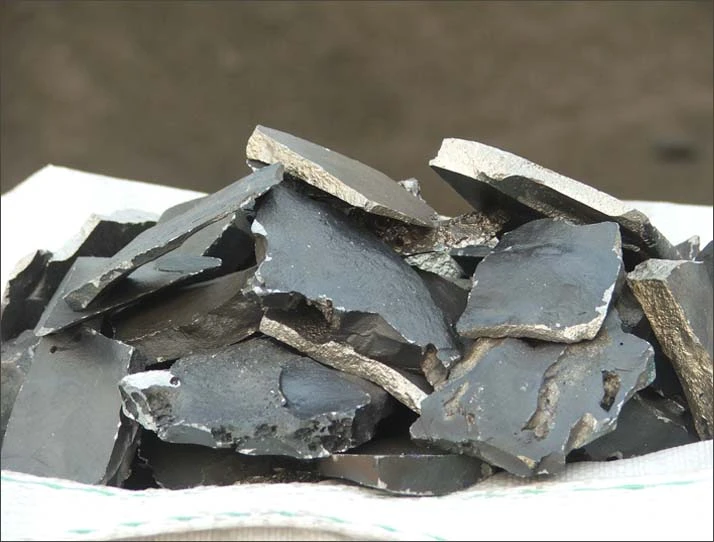
Refining: Since the slag temperature at the end of melting has reached 1500-1600℃, the desilication reaction has basically ended, so the desilication rate in the refining period is slowed down. In order to accelerate desilication and shorten refining time, the molten pool should be stirred several times, and periodic sampling to determine the silicon content of the alloy and determine the iron time. The silicon content of the alloy is generally controlled in the range of 1.5%-2.0%. After refining for a period of time, the silicon content of the alloy is still high, and some manganese ore and lime can be added to the furnace to continue refining until the silicon content is qualified before it can be baked: extending the refining time can reduce the manganese content in the slag, but it will lead to the evaporation loss of manganese and the increase of electric energy consumption. Therefore, it is not appropriate to overemphasize the manganese content in slag.
Iron out: when the silicon content of the alloy basically meets the requirements, the power can be cut off for sedation, so that the metal particles in the slag will settle fully, and then the iron out. When the iron is produced, the alloy and slag flow into the hot metal bag together. Because of the mixing effect between the slag and the alloy when the iron is produced, 0.2-1.0% silicon can be removed outside the furnace. Hot iron temperature is higher, and mixed with slag, not immediately pouring, to prevent burning ingot mold and cause slag inclusion in the iron, should be calm and cooling after a certain time, the use of covering slag insulation pouring. The depth of the casting mold should not exceed 300mm, otherwise the central part of the alloy will be cooled too slowly, resulting in segregation, impurity enrichment, and serious product scrap.


