What is Powder Metallurgy?
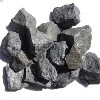
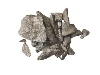
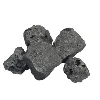
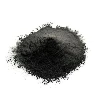
Powder metallurgy is a technology that uses metal powder as raw material to manufacture metal materials, composite materials, and various types of products through processes such as forming and sintering. By utilizing the physical and chemical interactions between powder particles (such as diffusion and recrystallization), a dense structure is formed during the sintering process without melting the metal, allowing finished products to be produced directly from solid-state powders.
In the powder metallurgy process, the mixing stage is particularly critical. This often involves introducing alloying additives in the form of elemental powders to adjust the composition and properties of the powder. At the same time, adding pressing lubricants helps improve the powder's formability and subsequent processing performance. This is a crucial step that directly affects the quality and performance of the final product.
This technology breaks through the limitations of traditional molten processing and offers irreplaceable advantages in the production of high-performance, high-precision, and complex-structured components.
Application Fields of Powder Metallurgy Technology
Aerospace
- High-temperature alloy components: such as turbine engine blades and rocket nozzles.
- Lightweight structural parts: Aircraft frame components manufactured using titanium alloy powder metallurgy, achieving 30% weight reduction and 15% strength improvement compared to traditional forged parts.
Automotive and Rail Transportation
- Core components: valve seat rings, fuel injector nozzles, clutch friction plates.
- Transmission and braking systems: powder metallurgy gears and brake discs.
Electronics and Semiconductors
- Electronic packaging: copper-tungsten powder metallurgy substrates and mobile phone camera module brackets.
- Magnetic materials: soft magnetic powder metallurgy components (such as inductor cores), with iron-silicon-aluminum powder compacts reducing losses by 40% compared to conventional silicon steel sheets.
Energy and Environmental Protection
- Fuel cells: porous metal powder sintered bipolar plates.
- New energy equipment: powder metallurgy permanent magnets for wind turbines.
Tools and Molds
- Cutting tools: cemented carbide drills and milling cutters, offering cutting speeds 3 to 5 times higher than high-speed steel tools, suitable for machining high-strength steels.
- Mold components: powder metallurgy high-speed steel molds, providing 2 to 3 times higher wear resistance than traditional forged molds, with service life exceeding 100,000 cycles.
Advantages of Powder Metallurgy Technology
- High-performance material development: This process can prepare refractory metals (such as tungsten and molybdenum), composite materials (aluminum-based SiC), and non-equilibrium materials, breaking through the limitations of traditional processes.
- Precise composition control: The composition uniformity and purity of materials can be achieved through powder blending, avoiding segregation issues in the casting process.
- Special Structure Manufacturing: It can produce special structure products such as porous materials (filters) and gradient functional materials (thermal barrier coatings).
- Material utilization rate exceeds 95%, reducing metal loss by 80% compared to traditional processing methods.
- No need for complete metal melting or multiple forging heats, resulting in a 40%-60% reduction in energy consumption.
- This process can utilize tailings, scrap metal, and other materials as raw materials, promoting sustainable development and achieving resource recycling.
DeDao is a professional manufacturer of ferroalloy products. If you need related products, please contact us. We will reply to your email as soon as possible. wangwei@dedaoferrosilicon.com