


Monocrystalline Silicon
▶Market demand for monocrystalline silicon
○Monocrystalline silicon for solar cells is undoubtedly the highest conversion efficiency, in large-scale applications and industrial production still occupies a dominant position, but by the price of monocrystalline silicon materials and the corresponding cumbersome battery process, resulting in high cost prices of monocrystalline silicon, to significantly reduce its cost is very difficult, in order to save high-quality materials, The search for alternatives to monocrystalline silicon cells has great prospects.
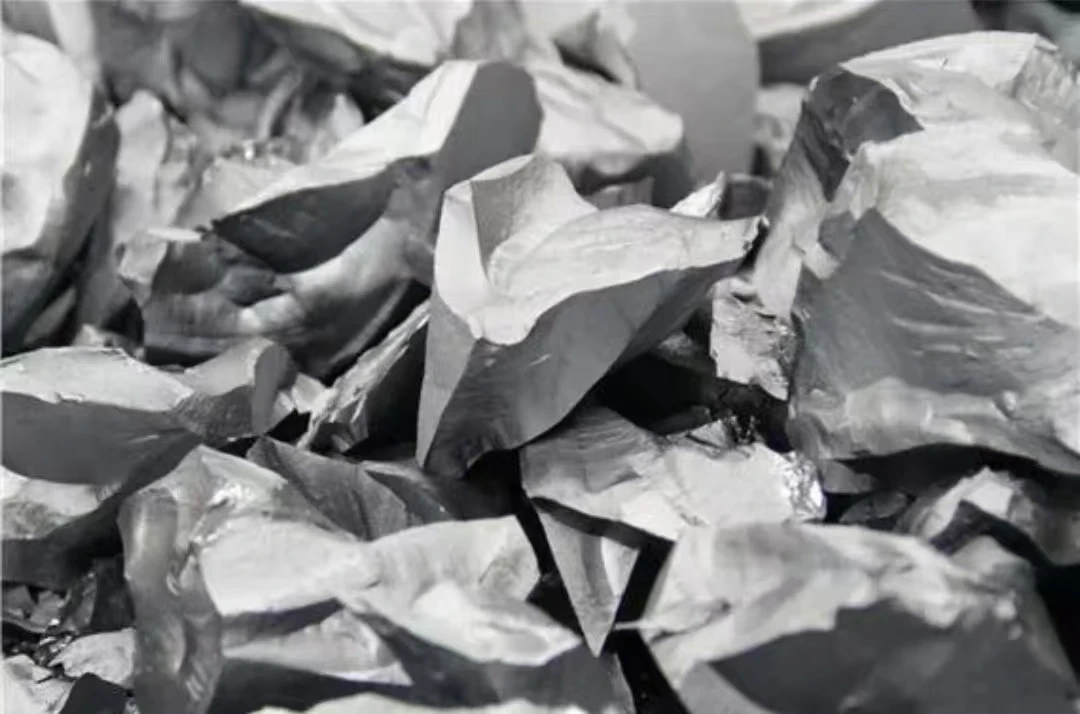
Evolution of monocrystalline silicon
Monocrystalline silicon, a single crystal of silicon. It is one of the top products of semi-conductive materials with high purity and reputation.
▶Properties of monocrystalline silicon
○Monocrystalline silicon has the physical property of quasi metal, has weak conductivity, and its conductivity increases with the increase of temperature. It has significant semi-conductivity. Ultra-pure monocrystalline silicon is an intrinsic semiconductor. A crystal is composed of a large number of atoms, each of which contains a nucleus and many electrons, and there is an interaction between them.P-type silicon semiconductor can be formed by adding trace ⅢA elements, such as boron, to the ultra-pure monocrystal silicon. If A trace of group V A elements, such as phosphorus or arsenic, can also improve the degree of conductivity, the formation of N-type silicon semiconductor
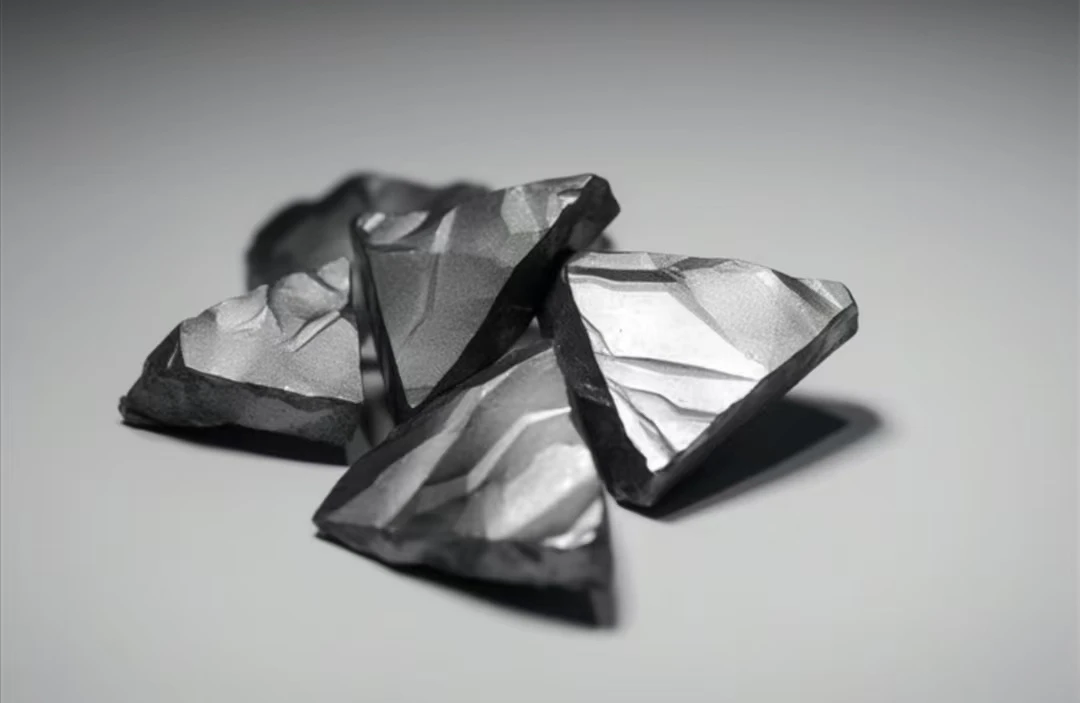
▶band theory
○ Energy band theory The theory of the energy spectrum of electrons in solids using the one-electron approximation method. It was developed in the course of studying the electrical conductivity theory of matter using quantum mechanics. The earliest theory of the energy state of electrons in solids was the free electron theory of metals.Due to the role of external conditions, electrons in the valence band can transition to the above empty band, the valence band from full to dissatisfied band, and the electrons in the empty band are called conduction band. Each allowable energy band of a crystal has a certain width, the band with high energy is wider, the band with low energy is narrower, and the number of energy levels contained in each band is equal to the number of primitive cells contained in the crystal. Band theory successfully explains the differences between metals, semiconductors, and insulators

Previous
FerroborineYou Might Also Like


Send Inquiry