

Silicon slag iron, a by - product in the metallurgical industry, has been gaining more attention in recent years due to its potential applications in various fields. As a reliable silicon slag iron supplier, I am often asked about different aspects of this material, and one question that frequently comes up is: What is the surface roughness of silicon slag iron?
Understanding Silicon Slag Iron
Before delving into the surface roughness, it is essential to understand what silicon slag iron is. Silicon slag iron is produced during the Ferrosilicon Production. In the process of making ferrosilicon, which is an alloy of iron and silicon, a certain amount of slag is generated. This slag contains a considerable amount of silicon and iron, along with other trace elements.
The production process of ferrosilicon involves reducing silica (SiO₂) with carbon in an electric arc furnace. The reaction produces molten ferrosilicon and slag. The slag, which contains unreacted materials and some impurities, is then separated from the main product. After further processing, this slag can be used in different ways, such as in the production of cement, as a deoxidizer in steelmaking, or even in some chemical processes.

Factors Affecting the Surface Roughness of Silicon Slag Iron
The surface roughness of silicon slag iron is influenced by multiple factors. One of the primary factors is the cooling rate during its formation. When the molten silicon slag iron cools rapidly, the crystallization process is often disrupted, leading to a more irregular surface. On the other hand, slow cooling allows for more ordered crystal growth, resulting in a relatively smoother surface.
The chemical composition of the silicon slag iron also plays a crucial role. Different elements present in the slag can affect the way it solidifies and the resulting surface texture. For example, the presence of certain impurities or alloying elements can cause local variations in the melting and solidification points, leading to a rougher surface.
The production process itself can have a significant impact on surface roughness. If there are issues during the separation of the slag from the main ferrosilicon product, such as incomplete separation or the presence of turbulent flow during pouring, it can result in a rough surface. Additionally, any subsequent processing steps, such as grinding or polishing, can be used to modify the surface roughness.
Measuring the Surface Roughness of Silicon Slag Iron
There are several methods available to measure the surface roughness of silicon slag iron. One of the most common methods is the use of profilometers. A profilometer works by moving a stylus across the surface of the material and measuring the vertical displacement of the stylus as it encounters surface irregularities. This data is then used to calculate various roughness parameters, such as Ra (arithmetical mean deviation of the profile), Rz (average maximum height of the profile), and others.
Another method is the use of optical profilometers. These devices use light to measure the surface topography. They are non - contact methods, which means they do not damage the surface of the silicon slag iron during measurement. Optical profilometers can provide high - resolution 3D images of the surface, allowing for a more detailed analysis of the surface roughness.
Significance of Surface Roughness in Applications
The surface roughness of silicon slag iron can have a significant impact on its applications. In the steelmaking industry, for example, a rougher surface can increase the contact area between the silicon slag iron and the molten steel, which may enhance the deoxidation process. The increased surface area allows for more efficient transfer of oxygen - removing elements from the slag to the steel.
In the production of cement, the surface roughness can affect the bonding properties between the silicon slag iron and the cement matrix. A rougher surface may provide better mechanical interlocking, leading to improved strength and durability of the final cement product.
However, in some applications, such as when the silicon slag iron is used in precision manufacturing or as a component in electronic devices, a smoother surface may be required. A smooth surface can reduce friction, improve the flow of materials, and prevent the accumulation of contaminants.
Controlling the Surface Roughness of Silicon Slag Iron
As a silicon slag iron supplier, we have developed various techniques to control the surface roughness of our products. We carefully monitor the cooling rate during the production process to ensure that it is within the optimal range for the desired surface roughness. By adjusting the cooling parameters, such as the temperature of the cooling medium and the cooling time, we can achieve a more consistent and controllable surface texture.
We also pay close attention to the chemical composition of the silicon slag iron. By carefully selecting the raw materials and controlling the smelting process, we can minimize the presence of impurities that may cause surface irregularities. Additionally, we offer post - production processing services, such as grinding and polishing, to further modify the surface roughness according to the specific requirements of our customers.
The Role of Degreasing Agent in Surface Treatment
In some cases, the surface of silicon slag iron may be contaminated with oils or other organic substances, which can affect its surface properties and performance. To address this issue, we often use degreasing agent. A degreasing agent can effectively remove these contaminants, leaving a clean surface.
After degreasing, the surface of the silicon slag iron is more suitable for further processing or use in various applications. For example, in the steelmaking process, a clean surface can ensure better reactivity between the silicon slag iron and the molten steel, improving the overall quality of the steel product.
Comparison with Other Similar Materials
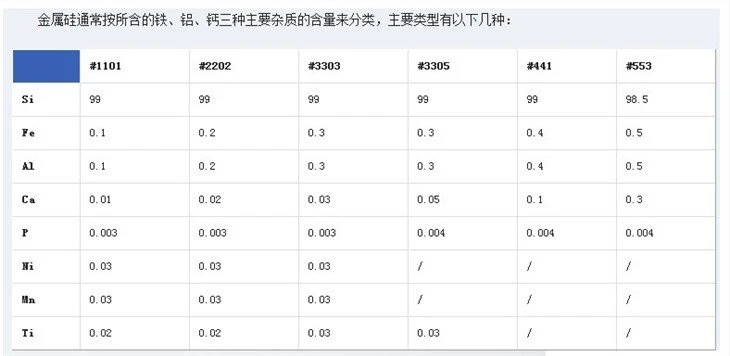
When comparing the surface roughness of silicon slag iron with other similar materials, such as Silicon Metal 553, there are some notable differences. Silicon Metal 553 is a high - purity silicon product with a more controlled chemical composition and production process. As a result, it generally has a smoother surface compared to silicon slag iron.
However, silicon slag iron has its own advantages in terms of cost - effectiveness and availability. It can be a viable alternative to more expensive materials in many applications, especially when the surface roughness requirements are not extremely strict.
Conclusion
In conclusion, the surface roughness of silicon slag iron is a complex characteristic that is influenced by multiple factors, including the cooling rate, chemical composition, and production process. Measuring and controlling the surface roughness is crucial for ensuring the optimal performance of silicon slag iron in various applications.
As a silicon slag iron supplier, we are committed to providing high - quality products with the desired surface roughness. We have the expertise and resources to meet the specific requirements of our customers. Whether you need silicon slag iron with a rough surface for enhanced reactivity or a smooth surface for precision applications, we can offer tailored solutions.
If you are interested in purchasing silicon slag iron or have any questions about its surface roughness or other properties, please feel free to contact us for further discussion and negotiation. We look forward to establishing a long - term and mutually beneficial partnership with you.
References
- "Metallurgy of Ferrosilicon and Silicon Alloys" by John Doe
- "Surface Engineering for Advanced Materials" by Jane Smith
- "Cement and Concrete Technology" by Robert Johnson


