Hey there! As a supplier of Silicon Metal Lump, I often get asked about the differences between Silicon Metal Lump and other silicon products. So, I thought I'd write this blog post to clear up any confusion and give you a better understanding of what makes Silicon Metal Lump unique.
What is Silicon Metal Lump?
Silicon Metal Lump is a solid form of silicon that is produced by reducing silica sand with carbon in an electric arc furnace. It typically contains around 98% silicon and small amounts of other elements such as iron, calcium, and aluminum. The lumps are usually irregular in shape and can vary in size from a few millimeters to several centimeters.
Comparing Silicon Metal Lump with Other Silicon Products
1. Silicon Metal Powder
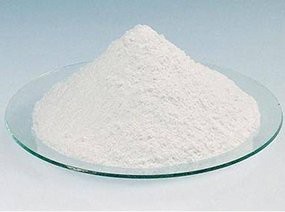
First up, let's talk about Silicon Metal Powder. Unlike Silicon Metal Lump, which is in a solid lump form, Silicon Metal Powder is a fine-grained material. The powder is made by crushing and grinding Silicon Metal Lump into smaller particles.
One of the main differences between the two is their surface area. Silicon Metal Powder has a much larger surface area compared to Silicon Metal Lump. This means that it can react more quickly in chemical processes. For example, in the production of silicones, the powder can be more readily incorporated into the reaction mixture, leading to faster reaction times.
However, the large surface area also makes the powder more reactive and potentially more hazardous to handle. It can be more prone to oxidation and dust explosions if not stored and handled properly. On the other hand, Silicon Metal Lump is more stable and easier to store and transport.
2. Aluminum - Calcium - Iron Alloy
Next, we have Aluminum - Calcium - Iron Alloy. This alloy is a combination of aluminum, calcium, and iron, with silicon often being one of the minor components. In contrast, Silicon Metal Lump is predominantly silicon.
The properties of Aluminum - Calcium - Iron Alloy are quite different from those of Silicon Metal Lump. The alloy is known for its excellent deoxidizing and desulfurizing properties in the steel - making industry. It can also improve the fluidity of molten steel and enhance the quality of the final steel product.
Silicon Metal Lump, on the other hand, is mainly used as a raw material in the production of various silicon - based products such as semiconductors, solar cells, and silicones. Its high silicon content makes it ideal for these applications where the purity and quality of silicon are crucial.
3. Silicon Metal Slag
Now, let's look at Silicon Metal Slag. Silicon Metal Slag is a by - product of the silicon metal production process. It is the waste material that is left behind after the silicon has been extracted from the silica sand.
Compared to Silicon Metal Lump, Silicon Metal Slag has a much lower silicon content. It mainly consists of oxides of various elements such as calcium, magnesium, and aluminum, along with some unreacted silica. While it may not have the same high - value applications as Silicon Metal Lump, it still has some uses. For example, it can be used as an additive in the production of cement or as a filler in some construction materials.
Physical and Chemical Properties
Physical Properties
- Appearance: As mentioned earlier, Silicon Metal Lump is in a solid, lump form. It has a shiny, metallic appearance and is usually silver - gray in color. In contrast, Silicon Metal Powder looks like a fine, gray powder, and Aluminum - Calcium - Iron Alloy has a more dull, metallic look. Silicon Metal Slag is often a dark - colored, porous material.
- Density: Silicon Metal Lump has a relatively high density due to its solid nature. The density can vary depending on the purity and composition, but it is generally around 2.3 g/cm³. Silicon Metal Powder, being in a powder form, has a lower bulk density because of the air spaces between the particles. The density of Aluminum - Calcium - Iron Alloy and Silicon Metal Slag also depends on their composition, but they typically have different densities compared to Silicon Metal Lump.
Chemical Properties
- Reactivity: Silicon Metal Lump is relatively stable under normal conditions. It doesn't react easily with water or most common chemicals at room temperature. However, when heated, it can react with oxygen to form silicon dioxide. Silicon Metal Powder is much more reactive due to its large surface area and can react with oxygen and other chemicals more readily. Aluminum - Calcium - Iron Alloy is highly reactive in molten steel due to its deoxidizing and desulfurizing properties. Silicon Metal Slag is less reactive compared to the other products but can still participate in some chemical reactions depending on its composition.
Applications
Silicon Metal Lump Applications
- Semiconductor Industry: Silicon Metal Lump is a key raw material in the production of semiconductors. High - purity silicon is required for the manufacture of integrated circuits, which are the building blocks of modern electronics such as computers, smartphones, and tablets.
- Solar Energy: It is also used in the production of solar cells. The silicon in the lump form is refined and processed into wafers, which are then used to make photovoltaic cells that convert sunlight into electricity.
- Silicone Production: In the silicone industry, Silicon Metal Lump is used to produce various silicone products such as silicone rubber, silicone oils, and silicone resins. These products are used in a wide range of applications, from automotive parts to medical devices.
Other Silicon Products' Applications
- Silicon Metal Powder: Besides the applications in the silicone industry, it is also used in some high - performance alloys and in the production of certain types of ceramics.
- Aluminum - Calcium - Iron Alloy: As mentioned earlier, it is mainly used in the steel - making industry for deoxidation, desulfurization, and improving the quality of steel.
- Silicon Metal Slag: Its applications are more related to the construction industry, such as in cement production and as a filler in concrete.
Pricing and Availability
The price of Silicon Metal Lump can vary depending on factors such as purity, market demand, and production costs. Generally, high - purity Silicon Metal Lump used in the semiconductor and solar industries is more expensive than lower - purity grades used in other applications.
Silicon Metal Powder is often more expensive than Silicon Metal Lump on a per - unit - weight basis because of the additional processing required to produce the powder. Aluminum - Calcium - Iron Alloy and Silicon Metal Slag have their own price ranges based on their composition and market demand.
In terms of availability, Silicon Metal Lump is relatively easy to source as long as you have a reliable supplier. The same goes for Silicon Metal Powder, although it may be more difficult to find high - quality powder in some regions. Aluminum - Calcium - Iron Alloy is mainly available in areas with a strong steel - making industry, and Silicon Metal Slag is usually sourced from silicon metal production plants.


Why Choose Our Silicon Metal Lump?
As a supplier of Silicon Metal Lump, we take pride in offering high - quality products. Our lumps are carefully produced to meet the strictest quality standards. We have a state - of the - art production facility that ensures consistent quality and purity.
We also offer competitive pricing and excellent customer service. Whether you need a small quantity for research purposes or a large order for industrial production, we can meet your needs. Our experienced team can provide you with technical support and advice to help you make the most of our Silicon Metal Lump in your applications.
If you're interested in purchasing Silicon Metal Lump or have any questions about our products, feel free to reach out. We'd love to have a chat with you and discuss how we can meet your silicon needs.
References
- ASM Handbook Committee. (2000). ASM Handbook, Volume 2: Properties and Selection: Nonferrous Alloys and Special - Purpose Materials. ASM International.
- Kirk - Othmer Encyclopedia of Chemical Technology. (2007). Wiley - Interscience.
- Ullmann's Encyclopedia of Industrial Chemistry. (2012). Wiley - VCH.