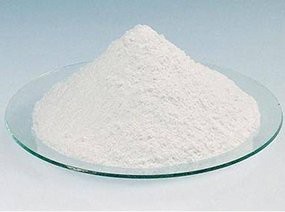
Hey there! As a ferromanganese supplier, I've seen firsthand how the price of this crucial alloy can fluctuate. So, I thought I'd break down the factors that affect the price of ferromanganese.
1. Raw Material Costs
First off, let's talk about raw materials. Ferromanganese is made primarily from manganese ore, coke, and iron ore. The prices of these raw materials can have a huge impact on the final cost of ferromanganese.
Manganese ore is the main ingredient in ferromanganese. Its price is influenced by factors like global supply and demand. If there's a shortage of manganese ore due to issues like mine closures or reduced production in major mining regions, the price of the ore goes up. And when the cost of manganese ore increases, it directly drives up the cost of producing ferromanganese.
Coke is another important raw material. It's used as a reducing agent in the smelting process. The price of coke is tied to the price of coal, as it's made from coal. Fluctuations in coal prices, which can be affected by factors such as changes in mining regulations, transportation costs, and international trade policies, can cause the price of coke to vary. Higher coke prices mean higher production costs for ferromanganese.
Iron ore is also a key component. The global demand for steel, which uses iron ore as a primary ingredient, affects its price. When the demand for steel is high, the price of iron ore tends to rise. Since iron ore is used in the production of ferromanganese, an increase in its price adds to the overall cost of making ferromanganese.
2. Energy Costs
Energy is a major factor in the production of ferromanganese. The smelting process requires a significant amount of electricity or other forms of energy. Energy costs can vary widely depending on the region and the source of energy.
In some areas, electricity prices are regulated, while in others, they're subject to market forces. For example, if there's an increase in the cost of natural gas, which is used to generate electricity in many power plants, the cost of electricity goes up. This, in turn, increases the production cost of ferromanganese.
Some ferromanganese producers may also use other energy sources like coal or oil. Fluctuations in the prices of these fossil fuels can have a direct impact on the energy costs associated with ferromanganese production. A sudden spike in the price of coal or oil can make the production process more expensive, leading to an increase in the price of ferromanganese.
3. Production Technology and Efficiency
The technology used in the production of ferromanganese can also affect its price. Modern and efficient production technologies can reduce production costs by using less energy, raw materials, and labor.


Producers who invest in advanced smelting technologies can produce ferromanganese more efficiently, which can help keep the price competitive. On the other hand, producers using outdated or less efficient technologies may have higher production costs, which are often passed on to the consumers in the form of higher prices.
Efficiency also plays a role in terms of waste management and by - product utilization. Producers who can effectively manage waste and utilize by - products from the production process may be able to offset some of their costs. For example, some by - products can be sold as secondary products, generating additional revenue and reducing the overall cost of ferromanganese production.
4. Market Demand and Supply
The basic economic principle of supply and demand has a significant impact on the price of ferromanganese. When the demand for ferromanganese is high and the supply is limited, the price tends to go up.
The demand for ferromanganese is closely linked to the steel industry. Steel producers use ferromanganese to improve the strength, hardness, and other properties of steel. When the construction industry is booming, there's a high demand for steel, which leads to an increased demand for ferromanganese. Similarly, the automotive industry also consumes a large amount of steel, and any growth in this sector can drive up the demand for ferromanganese.
On the supply side, factors such as production capacity, production disruptions, and inventory levels can affect the availability of ferromanganese in the market. If a major ferromanganese producer experiences a production outage due to equipment failure or labor strikes, the supply in the market decreases. This can cause the price to rise as buyers compete for the limited supply.
5. International Trade and Tariffs
International trade policies and tariffs can have a significant impact on the price of ferromanganese. Many countries import and export ferromanganese, and changes in trade policies can affect the cost of doing business.
Tariffs are taxes imposed on imported goods. If a country imposes higher tariffs on imported ferromanganese, it becomes more expensive for domestic buyers to purchase it from foreign suppliers. This can lead to an increase in the price of ferromanganese in the domestic market.
On the other hand, free trade agreements can have the opposite effect. When countries enter into free trade agreements, it can reduce or eliminate tariffs on ferromanganese imports, making it more affordable for buyers. This can increase the supply in the market and potentially lower the price.
6. Quality and Grade of Ferromanganese
The quality and grade of ferromanganese also play a role in determining its price. Different grades of ferromanganese have different chemical compositions and properties, which make them suitable for different applications.
High - quality ferromanganese with a precise chemical composition and low levels of impurities is often more expensive. For example, high - carbon ferro manganese is used in specific steel - making processes where high carbon content is required. You can learn more about High Carbon Ferro Manganese Uses. This grade of ferromanganese is priced higher because of its specific properties and the additional processing required to achieve the desired quality.
Other grades like Silicon maganese and Electrolytic Manganese Metal Fla also have their own unique applications and price points based on their quality and suitability for different industries.
7. Transportation and Logistics
Transportation costs are another factor that affects the price of ferromanganese. The cost of transporting ferromanganese from the production site to the end - user can vary depending on the distance, mode of transportation, and other factors.
If the production site is far from the market, the transportation cost will be higher. For example, shipping ferromanganese by sea from one continent to another can be expensive, especially if there are additional costs such as port fees and insurance. Land transportation costs can also be significant, especially if the delivery route involves difficult terrain or long distances.
Logistics also play a role. Efficient logistics management can reduce costs by optimizing transportation routes, minimizing storage time, and ensuring timely delivery. On the other hand, poor logistics can lead to delays, additional storage costs, and higher overall prices for ferromanganese.
8. Environmental Regulations
Increasingly, environmental regulations are having an impact on the price of ferromanganese. Governments around the world are implementing stricter environmental standards to reduce pollution and protect the environment.
Ferromanganese production can generate significant amounts of waste and emissions. Producers are required to invest in environmental protection equipment and technologies to meet these regulations. For example, they may need to install air pollution control systems or treat wastewater before discharging it. These additional costs are often passed on to the consumers in the form of higher prices.
Some regions may also impose carbon taxes or other environmental levies on ferromanganese producers. This further increases the production cost and can lead to an increase in the price of ferromanganese.
Conclusion
As you can see, there are many factors that affect the price of ferromanganese. From raw material costs and energy expenses to market demand, trade policies, and environmental regulations, each factor plays a role in determining the final price.
If you're in the market for ferromanganese and want to learn more about our products or discuss pricing, feel free to reach out. We're here to provide you with high - quality ferromanganese at competitive prices. Whether you need a specific grade or have a large - scale order, we can work with you to meet your needs.
References
- Industry reports on ferromanganese production and pricing
- News articles on raw material prices, energy markets, and trade policies
- Technical literature on ferromanganese production technologies and quality standards