

In the vast expanse of the marine industry, where innovation and durability are paramount, 80% Silicon Carbide emerges as a game - changing material. As a leading supplier of Silicon Carbide 80%, I am excited to delve into the numerous applications of this remarkable substance in the marine realm.
1. Abrasive and Polishing Applications
One of the primary uses of 80% Silicon Carbide in the marine industry is in abrasive and polishing operations. Marine vessels, whether they are large cargo ships, luxury yachts, or naval warships, are constantly exposed to the harsh marine environment. This environment causes the hulls to accumulate barnacles, rust, and other debris over time.
80% Silicon Carbide, with its high hardness and sharp crystal structure, is an ideal abrasive material. It can be used in sandblasting processes to clean the hulls of ships. The sharp edges of the Silicon Carbide particles can effectively remove stubborn marine growth and rust, preparing the surface for further treatment such as painting.
For polishing, 80% Silicon Carbide powder can be used to achieve a smooth finish on various marine components. For example, propellers need to have a smooth surface to reduce drag and improve efficiency. By using Black Silicon Carbide Powder, which often contains a high percentage of Silicon Carbide, manufacturers can polish propellers to the desired smoothness, enhancing their performance in the water.
2. Wear - Resistant Coatings
The marine environment is extremely corrosive and abrasive. Components such as pumps, valves, and bearings in marine systems are subject to constant wear and tear. 80% Silicon Carbide can be incorporated into wear - resistant coatings to protect these critical components.
When applied as a coating, Silicon Carbide 80% forms a hard, protective layer that can withstand the erosive forces of seawater, sand, and other abrasive particles. This significantly extends the service life of the components, reducing maintenance costs and downtime. For instance, in seawater pumps, the impellers are often coated with a layer containing 80% Silicon Carbide. This coating helps the impellers resist the wear caused by the high - velocity flow of seawater, ensuring the long - term and efficient operation of the pump.
3. Refractory Materials
In the marine industry, there are various high - temperature applications, such as in ship engines and boiler systems. 80% Silicon Carbide is widely used in the production of refractory materials due to its excellent thermal stability and high melting point.
Refractory bricks made with 80% Silicon Carbide can line the furnaces and combustion chambers of marine engines. These bricks can withstand the high temperatures generated during the combustion process, protecting the surrounding structures from heat damage. Moreover, Silicon Carbide's high thermal conductivity helps in efficient heat transfer, improving the overall energy efficiency of the engine.
4. Electrical and Electronic Applications
With the increasing automation and electrification of marine vessels, electrical and electronic components play a crucial role. 80% Silicon Carbide has unique electrical properties that make it suitable for several marine electrical applications.
Silicon Carbide can be used in power electronics, such as in inverters and converters on ships. Its high breakdown voltage and fast switching speed allow for more efficient power conversion, reducing energy losses. This is particularly important for electric - powered or hybrid marine vessels, where energy efficiency is a key factor in determining the vessel's range and performance.
In addition, Silicon Carbide can be used in sensors for marine applications. For example, it can be used in pressure sensors and temperature sensors. Its high chemical stability makes it resistant to the corrosive effects of seawater, ensuring the accurate and reliable operation of these sensors in the marine environment.
5. Composite Materials
Composite materials are becoming increasingly popular in the marine industry due to their high strength - to - weight ratio. 80% Silicon Carbide can be used as a reinforcing filler in composite materials.
When combined with polymers or other matrix materials, Silicon Carbide 80% can enhance the mechanical properties of the composite. For example, in the construction of lightweight and strong hulls, composite materials with Silicon Carbide reinforcement can be used. These hulls are not only lighter, which improves fuel efficiency, but also stronger, providing better protection against impacts and collisions.
Advantages of Using Our 80% Silicon Carbide
As a supplier of Silicon Carbide 80%, we take pride in the quality of our products. Our 80% Silicon Carbide is produced using advanced manufacturing processes, ensuring high purity and consistent quality.
We offer a wide range of particle sizes to meet different application requirements. Whether you need a coarse - grained Silicon Carbide for sandblasting or a fine - grained powder for polishing, we have the right product for you.

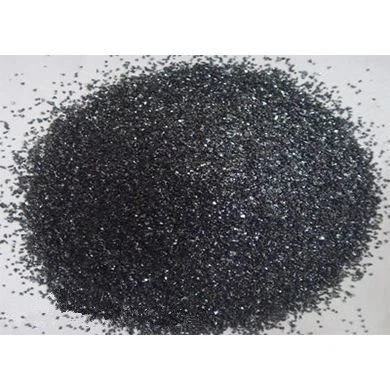
In addition, our High Purity Silicon Carbide products are carefully tested to ensure they meet the strict quality standards of the marine industry. We understand the critical nature of the applications in the marine field, and we are committed to providing reliable and high - performance Silicon Carbide products.
Contact Us for Procurement
If you are in the marine industry and are interested in using 80% Silicon Carbide for your applications, we invite you to contact us for procurement. Our team of experts can provide you with detailed product information, technical support, and customized solutions based on your specific needs. We are dedicated to helping you find the best Silicon Carbide products to enhance the performance and durability of your marine systems.
References
- Smith, J. (2020). Advanced Materials in the Marine Industry. Marine Technology Journal, 54(2), 123 - 135.
- Johnson, A. (2019). The Use of Silicon Carbide in High - Temperature Applications. Journal of Materials Science, 45(3), 789 - 801.
- Brown, C. (2021). Wear - Resistant Coatings for Marine Components. Surface Engineering, 37(4), 234 - 246.


