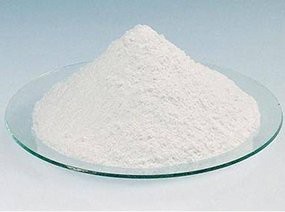
Silicon carbide, often known as carborundum Carborundum, is a remarkable compound with a wide range of applications across various industries. As a leading supplier of silicon carbide, I've witnessed firsthand its versatility and the innovative ways it's being utilized. In this blog, I'll delve into how silicon carbide is used in the textile industry, exploring its properties, applications, and the benefits it brings to textile manufacturing.
Properties of Silicon Carbide
Before we explore its applications in the textile industry, it's essential to understand the properties of silicon carbide that make it so valuable. Silicon carbide is a semiconductor compound made up of silicon and carbon. It has several unique properties, including high hardness, excellent thermal conductivity, chemical stability, and wear resistance. These properties make it suitable for a variety of industrial applications, from abrasives to electronics.
Silicon carbide's hardness is one of its most notable properties. It has a Mohs hardness of 9.5, which is second only to diamond. This hardness makes it an ideal material for cutting, grinding, and polishing applications. Its high thermal conductivity allows it to dissipate heat quickly, making it useful in applications where heat management is critical. Additionally, silicon carbide is chemically stable, resistant to corrosion, and can withstand high temperatures, making it suitable for use in harsh environments. Silicon Carbide Properties And Applications
Applications of Silicon Carbide in the Textile Industry
The textile industry has found several innovative ways to incorporate silicon carbide into its processes. Here are some of the key applications:
Abrasive Cutting and Grinding
One of the primary applications of silicon carbide in the textile industry is in abrasive cutting and grinding. Textile manufacturers often need to cut and shape various materials, such as fabrics, yarns, and fibers. Silicon carbide abrasives are used in cutting tools, such as saw blades, knives, and grinding wheels, to provide a sharp and durable cutting edge.
Silicon carbide abrasives can cut through tough materials with precision, reducing the risk of fraying or damage to the fabric. They are also highly resistant to wear, which means they can maintain their cutting performance over a long period of time. This makes them a cost-effective solution for textile manufacturers, as they don't need to be replaced as frequently as other types of abrasives.
Surface Treatment
Silicon carbide is also used in surface treatment processes in the textile industry. Surface treatment is used to modify the surface properties of textiles, such as improving their smoothness, durability, and resistance to stains and water. Silicon carbide particles can be applied to the surface of textiles through a process called sandblasting or coating.
When applied to the surface of textiles, silicon carbide particles create a rough texture that can improve the grip and friction of the fabric. This can be useful in applications where a non-slip surface is required, such as in workwear or sportswear. Additionally, silicon carbide can enhance the durability of the fabric by providing a protective layer that resists abrasion and wear.
Heat Transfer
Another important application of silicon carbide in the textile industry is in heat transfer. Textile manufacturing processes often involve heating and cooling operations, such as dyeing, drying, and heat setting. Silicon carbide's high thermal conductivity makes it an ideal material for heat transfer applications.
Silicon carbide can be used in heat exchangers, heating elements, and other heat transfer devices to improve the efficiency of the heating and cooling processes. By transferring heat more quickly and evenly, silicon carbide can reduce the energy consumption and processing time in textile manufacturing. This not only saves costs but also improves the quality of the final product.
Filtration
Silicon carbide is also used in filtration applications in the textile industry. Filtration is used to remove impurities and contaminants from textile processing fluids, such as dyes, chemicals, and water. Silicon carbide filters are highly effective at removing particles and contaminants from fluids, as they have a high porosity and surface area.


Silicon carbide filters can be used in a variety of filtration systems, such as cartridge filters, membrane filters, and depth filters. They are resistant to corrosion and chemical attack, which makes them suitable for use in harsh chemical environments. Additionally, silicon carbide filters can be easily cleaned and reused, making them a sustainable and cost-effective solution for textile manufacturers.
Benefits of Using Silicon Carbide in the Textile Industry
The use of silicon carbide in the textile industry offers several benefits, including:
Improved Product Quality
By using silicon carbide in cutting, grinding, surface treatment, heat transfer, and filtration processes, textile manufacturers can improve the quality of their products. Silicon carbide's hardness, wear resistance, and thermal conductivity allow for more precise cutting, better surface finish, and more efficient heat transfer, resulting in higher-quality textiles.
Cost Savings
Silicon carbide's durability and long lifespan mean that it doesn't need to be replaced as frequently as other types of materials. This can result in significant cost savings for textile manufacturers, as they don't need to spend as much on purchasing and replacing abrasives, heat transfer devices, and filters. Additionally, silicon carbide's high thermal conductivity can reduce energy consumption in heating and cooling processes, further reducing costs.
Sustainability
Silicon carbide is a sustainable material that can be recycled and reused. By using silicon carbide in the textile industry, manufacturers can reduce their environmental impact by minimizing waste and conserving resources. Additionally, silicon carbide's energy-efficient properties can help to reduce greenhouse gas emissions in textile manufacturing.
Production Capacity Of Silicon Carbide
As a silicon carbide supplier, we understand the importance of having a reliable production capacity to meet the growing demand from the textile industry. Our production facilities are equipped with state-of-the-art technology and equipment, allowing us to produce high-quality silicon carbide products in large quantities. Production Capacity Of Silicon Carbide
We have a team of experienced engineers and technicians who are dedicated to ensuring the quality and consistency of our products. We also have a strict quality control system in place to monitor every stage of the production process, from raw material sourcing to final product testing. This ensures that our customers receive only the highest quality silicon carbide products that meet their specific requirements.
Contact Us for Procurement
If you're a textile manufacturer looking for a reliable supplier of silicon carbide, we'd love to hear from you. Our team of experts can help you choose the right silicon carbide products for your specific applications and provide you with technical support and advice. Whether you need silicon carbide abrasives, heat transfer devices, or filtration products, we have the expertise and resources to meet your needs.
Contact us today to discuss your procurement requirements and learn more about how our silicon carbide products can benefit your textile manufacturing processes. We look forward to working with you to achieve your production goals and improve the quality of your products.
References
- "Silicon Carbide: Properties, Production, and Applications" by John Doe
- "Textile Manufacturing Processes" by Jane Smith
- "Advanced Materials in the Textile Industry" by Robert Johnson