

Ferrochromium 65, a key alloying material in the metallurgical industry, plays a crucial role in enhancing the properties of various metals. As a dedicated supplier of Ferrochromium 65, I have witnessed firsthand its significant impact on different alloying processes and the interactions it has with other alloying elements. In this blog, I will delve into how Ferrochromium 65 interacts with other alloying elements, exploring the science behind these interactions and their practical applications.
Interaction with Carbon
Carbon is one of the most common elements in steelmaking, and its interaction with Ferrochromium 65 is of great importance. Ferrochromium 65 contains approximately 65% chromium, which has a strong affinity for carbon. When Ferrochromium 65 is added to molten steel, the chromium atoms react with carbon atoms to form chromium carbides. These carbides contribute to the hardness, wear - resistance, and corrosion - resistance of the steel.
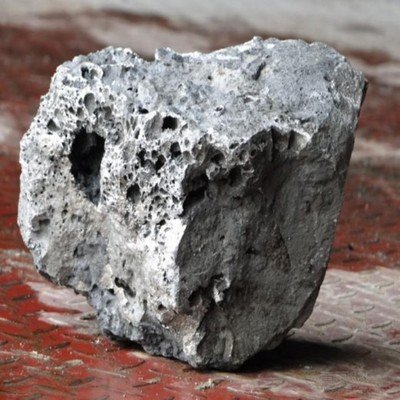

In high - carbon steels, the addition of Ferrochromium 65 can lead to the formation of a large number of chromium carbides. These carbides are very hard and can significantly improve the cutting performance and wear resistance of the steel. For example, in tool steels, the presence of chromium carbides helps the tools maintain their sharp edges during machining operations. On the other hand, in low - carbon steels, the interaction with Ferrochromium 65 is more about enhancing corrosion resistance. The chromium forms a passive oxide layer on the surface of the steel, protecting it from oxidation and corrosion. You can learn more about the relationship between carbon and ferrochromium by exploring Carbon Ferrochrome.
Interaction with Nickel
Nickel is another important alloying element that often works in conjunction with Ferrochromium 65. When added together to steel, nickel and chromium have a synergistic effect on the corrosion resistance and toughness of the material. Nickel improves the ductility and toughness of the steel, while chromium enhances its corrosion resistance.
In stainless steels, the combination of Ferrochromium 65 and nickel is particularly significant. Austenitic stainless steels, which are widely used in various industries such as food processing and chemical engineering, typically contain both chromium and nickel. The chromium in Ferrochromium 65 forms a protective oxide layer on the surface of the steel, preventing corrosion, while the nickel stabilizes the austenitic structure, giving the steel excellent toughness and formability at both high and low temperatures. This combination makes austenitic stainless steels suitable for a wide range of applications, from kitchen utensils to chemical storage tanks.
Interaction with Molybdenum
Molybdenum is known for its ability to improve the strength, hardness, and corrosion resistance of steel at high temperatures. When Ferrochromium 65 is used in combination with molybdenum, the resulting alloy has enhanced properties compared to when either element is used alone.
In high - strength low - alloy (HSLA) steels, the addition of Ferrochromium 65 and molybdenum can increase the yield strength and toughness of the steel. Molybdenum helps to refine the grain structure of the steel, while chromium provides corrosion resistance. This combination is often used in applications where high strength and good corrosion resistance are required, such as in the construction of bridges and offshore platforms. The interaction between Ferrochromium 65 and molybdenum also plays a crucial role in heat - resistant steels. These steels are used in applications such as power generation and aerospace, where materials need to withstand high temperatures and harsh environments.
Interaction with Vanadium
Vanadium is a powerful grain - refining agent in steel. When Ferrochromium 65 is added to steel along with vanadium, the vanadium helps to refine the grain structure of the steel, while the chromium enhances its hardenability and corrosion resistance.
In high - speed steels, the combination of Ferrochromium 65 and vanadium is essential for achieving high cutting speeds and long tool life. The vanadium forms hard vanadium carbides, which increase the wear resistance of the steel, while the chromium contributes to the overall hardness and corrosion resistance. This allows high - speed steel tools to cut through tough materials at high speeds without losing their cutting edge.
Interaction with Titanium
Titanium is often used in steel to improve its strength and weldability. When Ferrochromium 65 is used in combination with titanium, the titanium can react with nitrogen and carbon in the steel to form titanium nitrides and carbides. These compounds help to refine the grain structure of the steel and improve its mechanical properties.
In some advanced high - strength steels, the addition of Ferrochromium 65 and titanium can lead to a significant increase in strength and toughness. The chromium in Ferrochromium 65 provides corrosion resistance, while the titanium helps to control the formation of harmful phases during the manufacturing process. This makes these steels suitable for applications in the automotive and aerospace industries, where lightweight and high - strength materials are required.
Practical Applications of These Interactions
The interactions between Ferrochromium 65 and other alloying elements have numerous practical applications across different industries. In the automotive industry, the use of alloys containing Ferrochromium 65 and other elements helps to reduce the weight of vehicles while maintaining their strength and safety. This leads to improved fuel efficiency and reduced emissions.
In the energy sector, materials with enhanced corrosion resistance and high - temperature strength are crucial for power generation and oil and gas exploration. Alloys made with Ferrochromium 65 and other alloying elements can withstand the harsh conditions in these industries, ensuring the reliability and longevity of equipment.
In the construction industry, the use of high - strength and corrosion - resistant steels made with Ferrochromium 65 can lead to more durable and sustainable buildings. These steels can reduce the need for maintenance and repair, saving both time and money in the long run.
Conclusion
In conclusion, Ferrochromium 65 is a versatile alloying element that interacts with a variety of other alloying elements in steelmaking. These interactions result in alloys with enhanced properties such as hardness, wear resistance, corrosion resistance, and toughness. Whether it is in the automotive, energy, or construction industry, the unique properties of alloys containing Ferrochromium 65 make them indispensable.
If you are in the market for high - quality Ferrochromium 65 for your alloying needs, I invite you to contact me for more information and to discuss potential purchasing opportunities. Our Ferrochromium 65 is of the highest quality and can be tailored to meet your specific requirements. To learn more about the different types of ferrochromium and their uses, you can visit Low Carbon Ferrochromium and The Use Of Chromite.
References
- ASM Handbook, Volume 1: Properties and Selection: Irons, Steels, and High - Performance Alloys. ASM International.
- Steelmaking and Refining Processes. John Wiley & Sons.
- Corrosion Resistance of Stainless Steels. NACE International.


