

How do you machine vanadium alloys?
As a dedicated supplier of vanadium alloys, I've witnessed firsthand the remarkable properties and diverse applications of these materials. Vanadium alloys are highly sought after in various industries due to their exceptional strength, corrosion resistance, and heat resistance. However, machining vanadium alloys can be a challenging task that requires careful planning, the right tools, and a deep understanding of the material's characteristics. In this blog post, I'll share some insights and best practices on how to machine vanadium alloys effectively.
Understanding Vanadium Alloys
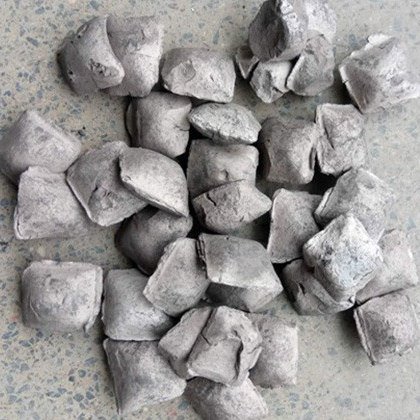
Before delving into the machining process, it's essential to have a basic understanding of vanadium alloys. Vanadium is a versatile metal that can be combined with other elements such as iron, titanium, and aluminum to form alloys with unique properties. Some of the most common vanadium alloys include Vanadium Metal, Vanadium Nitride, and 77 Vanadium-Nitrogen Alloy.
These alloys are known for their high strength-to-weight ratio, excellent wear resistance, and good fatigue properties. They are widely used in the aerospace, automotive, energy, and tooling industries, among others. However, their hardness and toughness can make them difficult to machine compared to other metals.
Machining Challenges
One of the primary challenges of machining vanadium alloys is their high hardness. Vanadium alloys typically have a hardness of 30-60 HRC (Rockwell hardness scale), which is significantly higher than that of many other metals. This hardness can cause rapid tool wear, increased cutting forces, and poor surface finish.
Another challenge is the tendency of vanadium alloys to work harden during machining. As the cutting tool interacts with the material, it can cause the surface layer to become harder and more brittle, making it even more difficult to machine. This can lead to issues such as chipping, cracking, and premature tool failure.
In addition, vanadium alloys have a relatively low thermal conductivity, which means that heat generated during machining can accumulate in the cutting zone. This can cause the cutting tool to overheat, leading to accelerated tool wear and reduced tool life.
Machining Strategies
To overcome the challenges of machining vanadium alloys, it's important to adopt the right machining strategies. Here are some tips to help you machine vanadium alloys effectively:

Select the Right Cutting Tools
Choosing the right cutting tools is crucial for successful machining of vanadium alloys. High-speed steel (HSS) tools are generally not recommended for machining these alloys due to their low heat resistance and rapid tool wear. Instead, carbide tools are the preferred choice.
Carbide tools are made from a combination of tungsten carbide and a binder metal, such as cobalt. They are extremely hard and wear-resistant, making them suitable for machining high-hardness materials like vanadium alloys. Coated carbide tools, which have a thin layer of coating on the surface, can further improve tool life and performance.
Use Appropriate Cutting Parameters
The cutting parameters, including cutting speed, feed rate, and depth of cut, play a critical role in the machining process. When machining vanadium alloys, it's important to use lower cutting speeds and feed rates compared to other metals. This helps to reduce cutting forces, prevent tool wear, and improve surface finish.
A general rule of thumb is to use a cutting speed of 30-60 m/min (100-200 ft/min) and a feed rate of 0.05-0.2 mm/rev (0.002-0.008 in/rev). The depth of cut should be kept relatively small, typically between 0.5-2 mm (0.02-0.08 in).
Apply Coolant
Applying coolant during machining is essential for reducing heat generation and improving tool life. Coolant helps to dissipate the heat generated during cutting, lubricate the cutting tool, and flush away chips.
For machining vanadium alloys, a water-soluble coolant is recommended. This type of coolant provides good cooling and lubrication properties, and it's also environmentally friendly. The coolant should be applied directly to the cutting zone at a sufficient flow rate to ensure effective cooling.
Control Chip Formation
Controlling chip formation is another important aspect of machining vanadium alloys. Vanadium alloys tend to produce long, stringy chips that can wrap around the cutting tool and cause problems. To prevent this, it's important to use tools with proper chip breakers or to adjust the cutting parameters to promote short, manageable chips.
Perform Pre-Machining Heat Treatment
In some cases, pre-machining heat treatment can be beneficial for improving the machinability of vanadium alloys. Heat treatment can help to reduce the hardness and work hardening tendency of the material, making it easier to machine.
Common heat treatment processes for vanadium alloys include annealing, normalizing, and quenching and tempering. The specific heat treatment process and parameters depend on the type of vanadium alloy and the desired properties.
Post-Machining Considerations
After machining vanadium alloys, it's important to take proper post-machining steps to ensure the quality and performance of the finished product. Here are some post-machining considerations:
Deburring and Finishing
Deburring is an important step to remove any sharp edges or burrs left on the machined surface. This helps to improve the safety and functionality of the part. Finishing operations, such as grinding, polishing, or lapping, can also be performed to achieve the desired surface finish and dimensional accuracy.
Heat Treatment
Depending on the application requirements, post-machining heat treatment may be necessary to improve the mechanical properties of the vanadium alloy. Heat treatment can help to enhance the hardness, strength, and toughness of the material.
Inspection and Testing
Inspection and testing are crucial to ensure that the machined vanadium alloy parts meet the required specifications. Non-destructive testing methods, such as ultrasonic testing, X-ray testing, and magnetic particle testing, can be used to detect any internal defects or flaws. Destructive testing methods, such as tensile testing, hardness testing, and impact testing, can be used to evaluate the mechanical properties of the material.
Conclusion
Machining vanadium alloys requires careful planning, the right tools, and a deep understanding of the material's characteristics. By selecting the appropriate cutting tools, using the right cutting parameters, applying coolant, controlling chip formation, and performing proper post-machining steps, you can overcome the challenges of machining vanadium alloys and achieve high-quality results.
If you're interested in purchasing vanadium alloys or have any questions about machining these materials, please don't hesitate to contact us. Our team of experts is here to provide you with the support and guidance you need to make the right decisions for your application.
References
- ASM Handbook, Volume 16: Machining, ASM International
- Machining of Advanced Materials, CRC Press
- Vanadium Alloys: Properties, Processing, and Applications, Woodhead Publishing


