

As a supplier of Silicon Metal 553, I understand the critical importance of safety data sheets (SDS) in the industrial materials business. Safety data sheets are comprehensive documents that provide detailed information about a substance or mixture, including its properties, potential hazards, handling procedures, and emergency response measures. In this blog post, I will delve into the key aspects of the safety data sheets for Silicon Metal 553, offering insights to ensure safe usage and handling.
1. Identification
The first section of the safety data sheet for Silicon Metal 553 provides essential identification information. This includes the product name, Silicon Metal 553, along with its synonyms, if any. The supplier's details, such as the company name, address, and contact information, are also listed. This information is crucial for users to quickly identify the product and reach out to the supplier in case of any questions or emergencies.
The product code and recommended uses are also specified. Silicon Metal 553 is widely used in various industries, including the production of Silicon Metal Lump, aluminum alloys, and Aluminum - calcium - iron Alloy. It serves as a key raw material due to its unique chemical and physical properties.
2. Hazard Identification
This section is of utmost importance as it outlines the potential hazards associated with Silicon Metal 553. The SDS classifies the hazards based on international standards, such as the Globally Harmonized System of Classification and Labelling of Chemicals (GHS).
Silicon Metal 553 is generally considered a non - flammable solid under normal conditions. However, it may react with strong oxidizing agents, which can pose a fire or explosion risk. Inhalation of dust from Silicon Metal 553 can cause respiratory irritation. Prolonged or repeated inhalation may lead to pneumoconiosis, a lung disease caused by the accumulation of dust particles in the lungs.
Skin contact may cause mild irritation, and eye contact can result in irritation and potential damage. The SDS also provides the appropriate hazard statements and precautionary statements. For example, hazard statements like "May cause respiratory irritation" and precautionary statements such as "Wear respiratory protection when handling dust" are clearly indicated.
3. Composition/Information on Ingredients
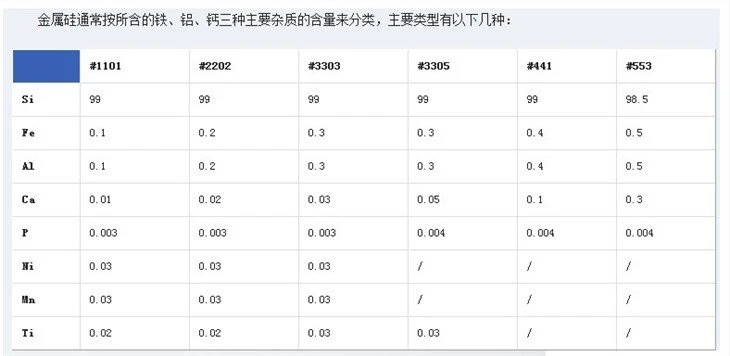
The composition section details the chemical components of Silicon Metal 553. Silicon Metal 553 typically contains a minimum of 98.5% silicon, with the remaining percentage consisting of trace elements such as iron, aluminum, and calcium. The exact percentages of these elements are specified in the SDS, which is important for users to understand the chemical nature of the product and its potential reactivity.
The identification numbers of the main components, such as CAS (Chemical Abstracts Service) numbers, are also provided. This allows users to access more in - depth information about each component from chemical databases and regulatory agencies.
4. First - Aid Measures
In case of accidental exposure to Silicon Metal 553, the SDS provides clear first - aid instructions. For inhalation, the affected person should be moved to fresh air immediately. If breathing is difficult, artificial respiration or oxygen may be administered, and medical attention should be sought promptly.
In the event of skin contact, the contaminated area should be washed thoroughly with soap and water. If irritation persists, medical advice should be obtained. For eye contact, the eyes should be flushed with plenty of water for at least 15 minutes, and contact lenses, if worn, should be removed during the flushing process. Medical attention is required if irritation or damage is suspected.
If swallowed, do not induce vomiting unless instructed by medical personnel. The person should drink plenty of water and seek medical help without delay.
5. Fire - Fighting Measures
Although Silicon Metal 553 is non - flammable under normal conditions, it may react with certain substances in a fire situation. The SDS recommends using dry chemical, carbon dioxide, or sand to extinguish fires involving Silicon Metal 553. Water should not be used directly as it may react with the product or cause the spread of dust, which can pose a respiratory hazard.
Firefighters should wear appropriate protective equipment, including self - contained breathing apparatus (SCBA) and fire - resistant clothing, to protect themselves from potential hazards such as inhalation of dust and exposure to heat.
6. Accidental Release Measures
In case of a spill or release of Silicon Metal 553, the SDS provides guidelines on how to handle the situation safely. Small spills can be swept up carefully to avoid creating dust. The collected material should be placed in a suitable container for proper disposal.
For large spills, containment measures should be taken to prevent the spread of the material. Dust suppression techniques, such as misting with water (if safe to do so), can be used to reduce the risk of inhalation of dust. All personnel involved in the cleanup should wear appropriate personal protective equipment, including respiratory protection, gloves, and goggles.
7. Handling and Storage
Proper handling and storage are essential to ensure the safety of Silicon Metal 553. When handling the product, it is important to avoid generating dust. This can be achieved by using appropriate handling equipment, such as enclosed conveyors and dust - collection systems. Workers should wear personal protective equipment, including dust masks, gloves, and safety glasses.
Silicon Metal 553 should be stored in a cool, dry place away from sources of heat, moisture, and strong oxidizing agents. The storage area should be well - ventilated to prevent the accumulation of dust. The product should be stored in tightly sealed containers to prevent contamination and the release of dust.
8. Exposure Controls/Personal Protection
The SDS provides recommended exposure limits for Silicon Metal 553. These limits are set by regulatory agencies to protect workers from the potential health effects of exposure. For example, the Occupational Safety and Health Administration (OSHA) in the United States has established a Permissible Exposure Limit (PEL) for respirable crystalline silica, which is relevant to the dust generated from Silicon Metal 553.
To meet these exposure limits, engineering controls such as local exhaust ventilation systems should be installed in work areas where dust is generated. Personal protective equipment, as mentioned earlier, should also be worn. This includes respirators that are suitable for filtering dust particles, protective clothing to prevent skin contact, and safety goggles to protect the eyes.
9. Physical and Chemical Properties
The physical and chemical properties section of the SDS provides important information about the appearance, odor, melting point, boiling point, density, and solubility of Silicon Metal 553. Silicon Metal 553 is typically a grayish - silver solid with a metallic luster. It has a high melting point of around 1414°C and a density of approximately 2.33 g/cm³.
The product is insoluble in water but may react with strong acids and alkalis under certain conditions. Understanding these properties is crucial for users to handle the product safely and to predict its behavior in different environments.
10. Stability and Reactivity
Silicon Metal 553 is generally stable under normal conditions. However, it may react with strong oxidizing agents, halogens, and some metals at high temperatures. The SDS warns against storing Silicon Metal 553 in close proximity to these substances to prevent potential reactions.
In case of exposure to high temperatures or certain reactive substances, the product may release flammable or toxic gases. Therefore, proper storage and handling procedures should be followed to maintain the stability of the product and prevent unwanted reactions.

11. Toxicological Information
The toxicological information section summarizes the available data on the health effects of Silicon Metal 553. As mentioned earlier, inhalation of dust can cause respiratory irritation and pneumoconiosis. Animal studies have also shown that long - term exposure to high levels of silicon dust may have adverse effects on the lungs and other organs.
The SDS also provides information on the mutagenic, carcinogenic, and reproductive toxicity of the product. Although there is limited evidence of its carcinogenicity, proper safety measures should still be taken to minimize exposure.
12. Ecological Information
The ecological information section assesses the potential impact of Silicon Metal 553 on the environment. Silicon Metal 553 is not expected to be highly toxic to aquatic organisms. However, the dust may settle on water bodies and affect the water quality by increasing the turbidity.
It is important to prevent the release of Silicon Metal 553 into the environment, especially into water sources and soil. Spills should be cleaned up promptly to minimize the environmental impact.
13. Disposal Considerations
The SDS provides guidance on the proper disposal of Silicon Metal 553. It should be disposed of in accordance with local, regional, and national regulations. In general, the product can be recycled or reused whenever possible. If disposal is necessary, it should be sent to a licensed waste disposal facility.
The waste should be labeled correctly to indicate its nature and potential hazards, and the disposal process should be carried out in a way that minimizes the risk to human health and the environment.
14. Transport Information
When transporting Silicon Metal 553, the SDS provides information on the appropriate packaging, labeling, and transportation regulations. The product should be packed in suitable containers that can prevent leakage and dust generation.
The packaging should be labeled with the appropriate hazard labels, such as "Respiratory Irritant" and "Non - flammable Solid." Transportation should comply with relevant regulations, such as those of the Department of Transportation (DOT) in the United States or the International Maritime Dangerous Goods (IMDG) Code for sea transport.
15. Regulatory Information
The regulatory information section lists the relevant regulations and standards that apply to Silicon Metal 553. This includes regulations related to workplace safety, environmental protection, and product labeling. Compliance with these regulations is essential for both suppliers and users of Silicon Metal 553 to ensure legal and safe operations.
Conclusion
In conclusion, the safety data sheets for Silicon Metal 553 are comprehensive documents that provide vital information for the safe handling, storage, and use of the product. As a supplier, I am committed to providing accurate and up - to - date SDS to our customers. By understanding and following the guidelines in the SDS, users can minimize the risks associated with Silicon Metal 553 and ensure a safe working environment.
If you are interested in purchasing high - quality Silicon Metal 553, please feel free to contact us for more information and to start a procurement negotiation. We are ready to offer you the best products and services to meet your needs.
References
- Chemical Safety Data Sheets from major chemical regulatory agencies
- Industry research reports on Silicon Metal 553
- Peer - reviewed scientific papers on the properties and hazards of silicon - based materials


