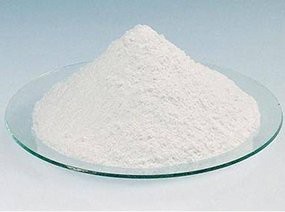
Silicon Metal 553, also known as Si 553, is a crucial alloy with a wide range of industrial applications. As a dedicated supplier of Silicon Metal 553, I am well - versed in its rolling properties and the significance they hold in various manufacturing processes. In this blog, I will delve into the key rolling properties of Silicon Metal 553, exploring how these properties make it an ideal choice for numerous industries.
Chemical Composition and Its Impact on Rolling
Silicon Metal 553 has a specific chemical composition that directly influences its rolling properties. The "553" in its name refers to the maximum percentages of key impurities: up to 0.5% iron (Fe), up to 0.5% aluminum (Al), and up to 0.3% calcium (Ca). The high silicon content, typically around 98%, gives the alloy its unique characteristics.
The relatively low levels of impurities ensure that the metal has a more uniform structure during the rolling process. When the silicon metal is heated and passed through rolling mills, the consistent composition helps in maintaining a stable deformation behavior. Impurities can act as stress concentrators, causing uneven deformation or even cracking during rolling. In the case of Silicon Metal 553, the carefully controlled impurity levels minimize these risks, allowing for smooth and efficient rolling operations.
Ductility and Malleability
One of the most important rolling properties of Silicon Metal 553 is its ductility and malleability. Ductility refers to the ability of a material to be drawn into a wire or elongated under tensile stress, while malleability is the capacity to be hammered or rolled into thin sheets.
Silicon Metal 553 exhibits good ductility and malleability within a certain temperature range. When heated to an appropriate temperature, usually in the range of several hundred degrees Celsius, the metal becomes more pliable. This allows it to be rolled into various thicknesses and shapes without significant fracture. For example, in the production of thin silicon metal sheets for use in electronic components, the ductility of Silicon Metal 553 enables manufacturers to achieve the desired thicknesses through multiple passes in the rolling mill.
The malleability of Silicon Metal 553 also plays a crucial role in its application in the production of Silicon Metal Lump. During the rolling process, the metal can be shaped into lumps of different sizes, which are then used in various metallurgical and chemical processes. The ability to deform the metal into these lumps without excessive brittleness ensures high - quality products that meet the specific requirements of different industries.
Thermal Conductivity and Rolling
Thermal conductivity is another important property that affects the rolling of Silicon Metal 553. Silicon Metal 553 has relatively high thermal conductivity, which means it can transfer heat quickly during the rolling process.
During rolling, the metal is subjected to high pressure and friction, which generates heat. The high thermal conductivity of Silicon Metal 553 allows this heat to be dissipated rapidly, preventing overheating and potential damage to the metal. This is particularly important in continuous rolling operations, where maintaining a stable temperature is crucial for achieving consistent product quality.
For example, in hot - rolling processes, the rapid heat transfer helps in controlling the microstructure of the metal. It allows for proper recrystallization and grain growth, which in turn affects the mechanical properties of the final product. The ability to manage heat effectively during rolling also reduces the energy consumption of the process, making it more cost - efficient.
Hardness and Wear Resistance
The hardness and wear resistance of Silicon Metal 553 are also significant factors in its rolling properties. The relatively high silicon content contributes to the hardness of the metal. A certain level of hardness is desirable during rolling as it helps the metal maintain its shape and resist deformation under the high pressures applied in the rolling mill.
However, excessive hardness can lead to problems such as increased tool wear and difficulty in achieving the desired shape. Silicon Metal 553 strikes a balance between hardness and workability. Its wear resistance ensures that the metal does not wear out quickly during the rolling process, reducing the frequency of tool replacement and improving the overall efficiency of the production line.
In some applications, the hardness and wear resistance of the rolled Silicon Metal 553 products are further enhanced through post - rolling heat treatments. These treatments can modify the microstructure of the metal, increasing its hardness and wear resistance even more, making it suitable for use in harsh environments.
Comparison with Other Silicon Metals
When comparing Silicon Metal 553 with other types of silicon metals, such as Silicon Metal 441, there are some notable differences in their rolling properties. Silicon Metal 441 has even lower impurity levels (up to 0.4% iron, up to 0.4% aluminum, and up to 0.1% calcium) compared to Silicon Metal 553. This often results in even better ductility and malleability, making it more suitable for applications that require extremely thin and uniform sheets.
On the other hand, Silicon Metal 553's slightly higher impurity levels give it a relatively higher hardness and wear resistance, which can be advantageous in applications where these properties are more important. For example, in the production of components for heavy - duty machinery, the hardness and wear resistance of Silicon Metal 553 may be more beneficial.
Applications Based on Rolling Properties
The unique rolling properties of Silicon Metal 553 make it suitable for a wide range of applications. In the aluminum industry, Silicon Metal 553 is often used as an alloying agent. The rolled silicon metal can be easily added to molten aluminum, improving its strength, hardness, and casting properties.
In the production of Aluminum - calcium - iron Alloy, Silicon Metal 553 plays a crucial role. Its rolling properties allow it to be incorporated into the alloy in a uniform manner, ensuring consistent quality of the final alloy product.


In the electronics industry, the rolled Silicon Metal 553 sheets are used in the production of semiconductors and other electronic components. The ductility and purity of the metal make it possible to manufacture thin and high - quality sheets that are essential for the proper functioning of these devices.
Conclusion
In conclusion, the rolling properties of Silicon Metal 553, including its chemical composition - related stability, ductility, malleability, thermal conductivity, hardness, and wear resistance, make it a valuable material in various industries. Whether it is used in the production of metal alloys, electronic components, or other products, its unique properties enable efficient and high - quality manufacturing processes.
If you are interested in procuring Silicon Metal 553 for your industrial needs, I encourage you to reach out for a detailed discussion. We can explore how the specific rolling properties of our Silicon Metal 553 can meet your requirements and help you achieve your production goals.
References
- "Handbook of Silicon Metal and its Alloys"
- "Metallurgical Principles in Rolling Processes"
- "Industrial Applications of Silicon - Based Alloys"