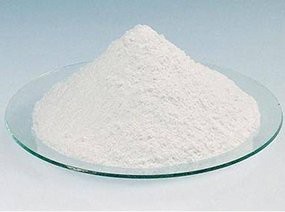
Silicon carbide (SiC), a compound of silicon and carbon, is well - known for its remarkable chemical stability properties, which make it a highly sought - after material in various industries. As a silicon carbide supplier, I am delighted to share in - depth knowledge about the chemical stability of this amazing material.
Chemical Composition and Bonding
Silicon carbide has a simple yet strong chemical composition. It is composed of silicon (Si) and carbon (C) atoms, which are covalently bonded. Each silicon atom is surrounded by four carbon atoms, and each carbon atom is surrounded by four silicon atoms, forming a tetrahedral structure. This covalent bonding is extremely strong, with a bond energy of about 318 kJ/mol. The strong covalent bonds are the fundamental reason for the high chemical stability of silicon carbide.
Resistance to Oxidation
One of the most important chemical stability properties of silicon carbide is its excellent resistance to oxidation. At high temperatures, most materials tend to react with oxygen in the air, leading to corrosion and degradation. However, silicon carbide forms a protective oxide layer on its surface when exposed to high - temperature oxygen environments.
When heated in air, silicon carbide starts to oxidize at around 800 - 1000°C. The oxidation reaction can be represented by the following equation:
SiC(s) + 3/2O₂(g) → SiO₂(s)+CO₂(g)
The formed silicon dioxide (SiO₂) layer is dense and adherent to the silicon carbide surface. This layer acts as a barrier, preventing further oxygen from reaching the underlying silicon carbide and thus slowing down the oxidation process. At temperatures below 1600°C, the oxidation rate of silicon carbide is relatively slow, making it suitable for applications in high - temperature oxidative environments. For example, in the production of industrial furnaces, silicon carbide components can withstand long - term exposure to high - temperature air without significant oxidation damage.
Resistance to Acid and Alkali
Silicon carbide also shows good resistance to both acids and alkalis. In general, it is highly resistant to most inorganic acids at room temperature. For instance, it is insoluble in hydrochloric acid (HCl), sulfuric acid (H₂SO₄), and nitric acid (HNO₃). This property is due to the strong covalent bonds in silicon carbide, which are not easily broken by the relatively weak chemical attack of common acids.
However, in the presence of strong oxidizing acids at high temperatures, silicon carbide may undergo some reactions. For example, in hot concentrated phosphoric acid (H₃PO₄), silicon carbide can react slowly over time.
When it comes to alkalis, silicon carbide has a certain degree of resistance. At room temperature, it is relatively stable in dilute alkali solutions. But at high temperatures and in concentrated alkali solutions, silicon carbide can react. The reaction with sodium hydroxide (NaOH) at high temperatures can be described as follows:
SiC + 4NaOH + 2O₂ → Na₂SiO₃+Na₂CO₃ + 2H₂O
Despite this, compared with many other materials, silicon carbide still maintains a relatively good chemical stability in alkaline environments, which makes it useful in some chemical processing applications where contact with alkalis is inevitable.
Resistance to Molten Metals
Silicon carbide has excellent resistance to many molten metals. It does not react readily with most non - ferrous molten metals such as aluminum, copper, and zinc. This property is crucial in the metal - casting industry. For example, in aluminum smelting, silicon carbide crucibles can be used to hold and melt aluminum. The crucibles can maintain their structural integrity and chemical stability during the melting process, preventing contamination of the molten aluminum by the crucible material.


The reason for its resistance to molten metals lies in the chemical inertness of silicon carbide. The strong covalent bonds in silicon carbide prevent the diffusion of metal atoms into the silicon carbide lattice and the formation of chemical compounds with the molten metals.
Applications Based on Chemical Stability
The outstanding chemical stability properties of silicon carbide have led to its wide - spread use in various industries.
In the metallurgical industry, Deoxidizer High Carbon Silicon is an important application of silicon carbide. Due to its high chemical stability and ability to react with oxygen in molten metals, it is used as a deoxidizer. It can effectively remove oxygen from molten steel, improving the quality of the steel.
In the abrasives industry, Silicon Carbide Material is widely used. Its chemical stability ensures that the abrasive particles maintain their shape and performance during the grinding process. Whether it is used for grinding hard metals or other materials, silicon carbide abrasives can withstand the chemical environment generated by friction and heat, providing long - lasting grinding performance.
The Green Silicon Carbide Grinding Wheel is a typical product in this field. The green silicon carbide in the grinding wheel has high purity and excellent chemical stability, which makes the grinding wheel suitable for precision grinding of hard and brittle materials such as ceramics and hard alloys.
Conclusion
In conclusion, silicon carbide's chemical stability properties, including its resistance to oxidation, acids, alkalis, and molten metals, make it a unique and valuable material. These properties are mainly attributed to its strong covalent bonding structure. The applications of silicon carbide based on its chemical stability span multiple industries, from metallurgy to abrasives.
If you are looking for high - quality silicon carbide products with excellent chemical stability, we are here to serve you. Our silicon carbide products are produced with strict quality control to ensure they meet your specific requirements. Whether you need silicon carbide for deoxidation in metallurgy, as an abrasive material, or for other applications, we can provide you with the right solutions. Contact us for procurement and let's start a fruitful business cooperation.
References
- Kainer, K. U. (Ed.). (2006). Metal Matrix Composites: Production, Processing, and Applications. Wiley - VCH.
- Reed, R. C. (2006). The Properties of High - Temperature Structural Ceramics. Cambridge University Press.
- Singh, M., & Zhang, X. (2000). Oxidation of Silicon Carbide in Combustion Environments. Journal of the American Ceramic Society, 83(6), 1305 - 1313.