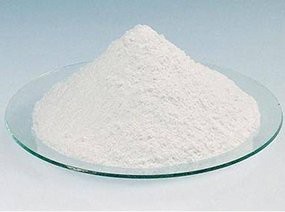
Calcium silicon is a crucial alloy in the metallurgical industry, renowned for its ability to enhance the tensile strength of metals. As a dedicated calcium silicon supplier, I've witnessed firsthand the transformative impact this alloy has on various metal applications. In this blog, we'll delve into the science behind how calcium silicon improves the tensile strength of metals, exploring its properties, mechanisms, and real - world applications.
Properties of Calcium Silicon
Calcium silicon is an alloy composed primarily of calcium and silicon, with varying ratios depending on the specific application. It typically contains between 28% and 32% calcium and 60% to 65% silicon. This alloy is known for its high melting point, which makes it suitable for use in high - temperature metallurgical processes.
One of the key properties of calcium silicon is its strong reducing ability. Calcium is a highly reactive metal, and when combined with silicon, it forms an alloy that can effectively reduce metal oxides in the melt. This reduction process helps to remove impurities from the metal, which in turn improves its overall quality and mechanical properties.


Mechanisms of Tensile Strength Improvement
Grain Refinement
One of the primary ways calcium silicon improves the tensile strength of metals is through grain refinement. When calcium silicon is added to a metal melt, it acts as a nucleating agent. The alloy provides numerous sites for the formation of new grains during solidification. Smaller grains result in a more uniform microstructure, which enhances the metal's strength and ductility.
In a metal with large grains, the boundaries between the grains are fewer and more widely spaced. Under stress, dislocations can move more easily through these large grains, leading to plastic deformation and reduced strength. However, in a metal with refined grains, the increased number of grain boundaries acts as barriers to dislocation movement. This restricts the ability of dislocations to move, thereby increasing the metal's resistance to deformation and improving its tensile strength.
Deoxidation and Desulfurization
Calcium silicon is also an effective deoxidizer and desulfurizer. Oxygen and sulfur are common impurities in metals, and they can have a detrimental effect on the metal's mechanical properties. Oxygen can form oxides that act as stress concentrators, reducing the metal's strength and toughness. Sulfur can form sulfide inclusions, which can cause brittleness and reduce the metal's ductility.
When calcium silicon is added to the metal melt, the calcium reacts with oxygen to form calcium oxide (CaO), and with sulfur to form calcium sulfide (CaS). These compounds are less harmful to the metal and can be easily removed from the melt through slagging. By removing oxygen and sulfur, calcium silicon helps to purify the metal, improving its cleanliness and enhancing its tensile strength.
Alloying and Solid Solution Strengthening
Calcium and silicon can also dissolve in the metal matrix, forming a solid solution. This solid - solution strengthening occurs when the solute atoms (calcium and silicon) distort the crystal lattice of the metal. The distorted lattice makes it more difficult for dislocations to move, increasing the metal's resistance to deformation.
The addition of calcium silicon can also introduce new phases or compounds in the metal. For example, in some steels, the addition of calcium silicon can lead to the formation of calcium - containing precipitates. These precipitates can further strengthen the metal by pinning dislocations and preventing their movement.
Real - World Applications
Steel Production
In the steel industry, calcium silicon is widely used to improve the quality and mechanical properties of steel. It is added during the ladle treatment process to deoxidize, desulfurize, and refine the steel. The use of calcium silicon helps to produce high - strength steels that are used in various applications, such as construction, automotive, and machinery.
For example, in the production of high - strength low - alloy (HSLA) steels, calcium silicon is used to refine the grain structure and improve the steel's strength and toughness. These steels are commonly used in the construction of bridges, buildings, and pipelines, where high strength and durability are required.
Cast Iron Production
Calcium silicon is also used in the production of cast iron. It helps to improve the fluidity of the molten iron, reduce the formation of graphite flakes, and enhance the mechanical properties of the cast iron. By adding calcium silicon, foundries can produce cast iron with higher tensile strength, better wear resistance, and improved machinability.
Case Studies
Let's take a look at some real - world examples of how calcium silicon has improved the tensile strength of metals.
In a steel mill, a company was experiencing issues with the tensile strength of its structural steel. The steel had a relatively low strength and was prone to cracking during processing. After adding calcium silicon to the steel melt, the company noticed a significant improvement in the steel's tensile strength. The grain structure of the steel was refined, and the impurities were reduced, resulting in a more uniform and stronger material.
In a foundry producing cast iron components, the use of calcium silicon led to a substantial increase in the tensile strength of the castings. The improved fluidity of the molten iron allowed for better filling of the molds, and the refined microstructure resulted in castings with higher strength and better dimensional stability.
Product Offerings
As a calcium silicon supplier, we offer a range of high - quality products to meet the diverse needs of our customers. Our Silico - barium Calcium is a unique alloy that combines the benefits of calcium, silicon, and barium. It is highly effective in deoxidation, desulfurization, and grain refinement, making it an ideal choice for steel and cast iron production.
We also provide Silicon Calcium Lumps, which are convenient for use in various metallurgical processes. These lumps are carefully produced to ensure consistent quality and performance.
Our Dedao - High Quality Calcium Silicon is another popular product. It is manufactured using advanced techniques to ensure high purity and excellent performance. This product is widely used in the production of high - strength metals.
Conclusion
Calcium silicon plays a vital role in improving the tensile strength of metals. Through grain refinement, deoxidation, desulfurization, and solid - solution strengthening, it enhances the mechanical properties of metals, making them more suitable for a wide range of applications.
If you're looking to improve the quality and strength of your metal products, we invite you to explore our range of calcium silicon products. We're committed to providing high - quality alloys and excellent customer service. Contact us to discuss your specific requirements and start a fruitful procurement negotiation.
References
- Smith, J. (2018). Metallurgical Principles and Applications. Wiley.
- Jones, A. (2020). Advances in Metal Alloying. Elsevier.
- Brown, C. (2019). Handbook of Steel Production. McGraw - Hill.